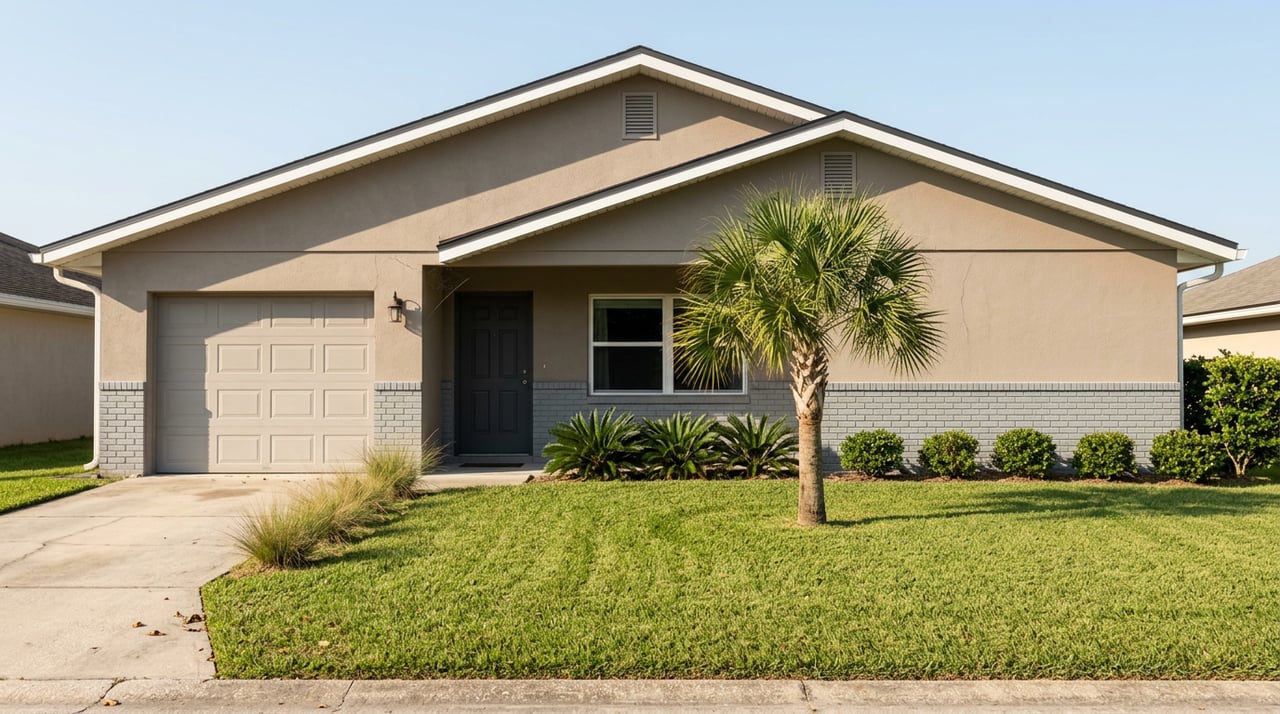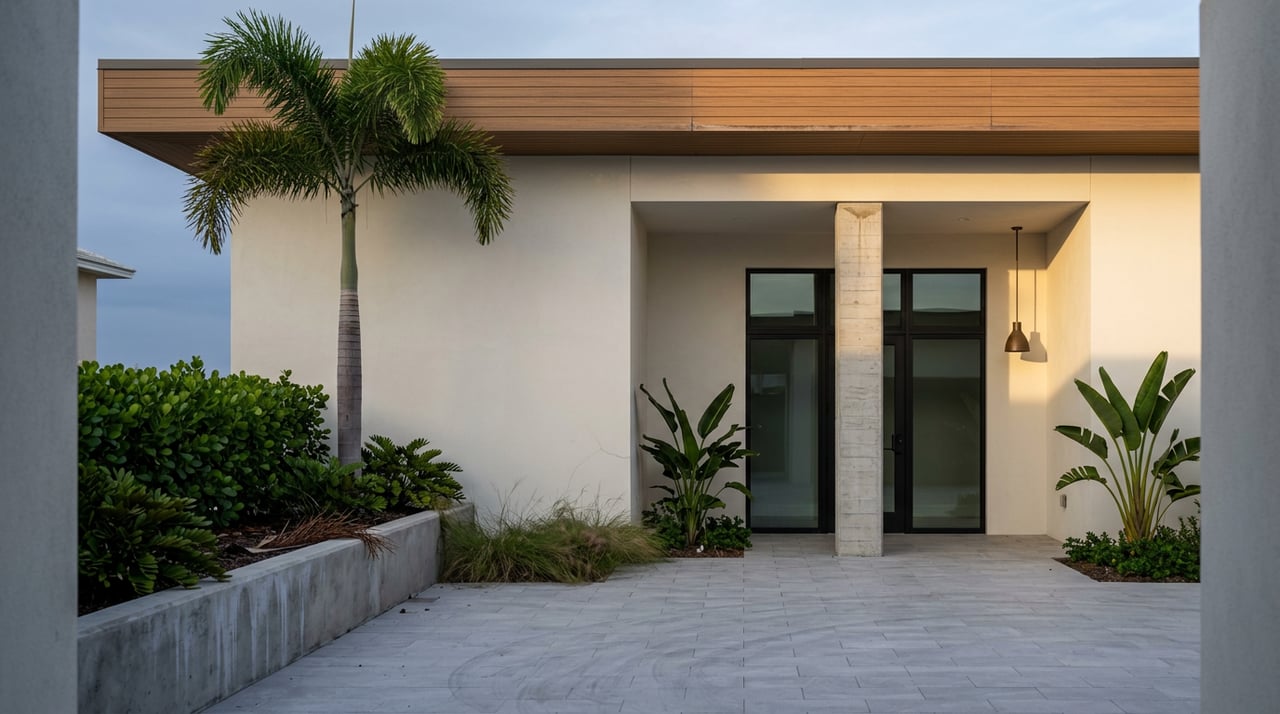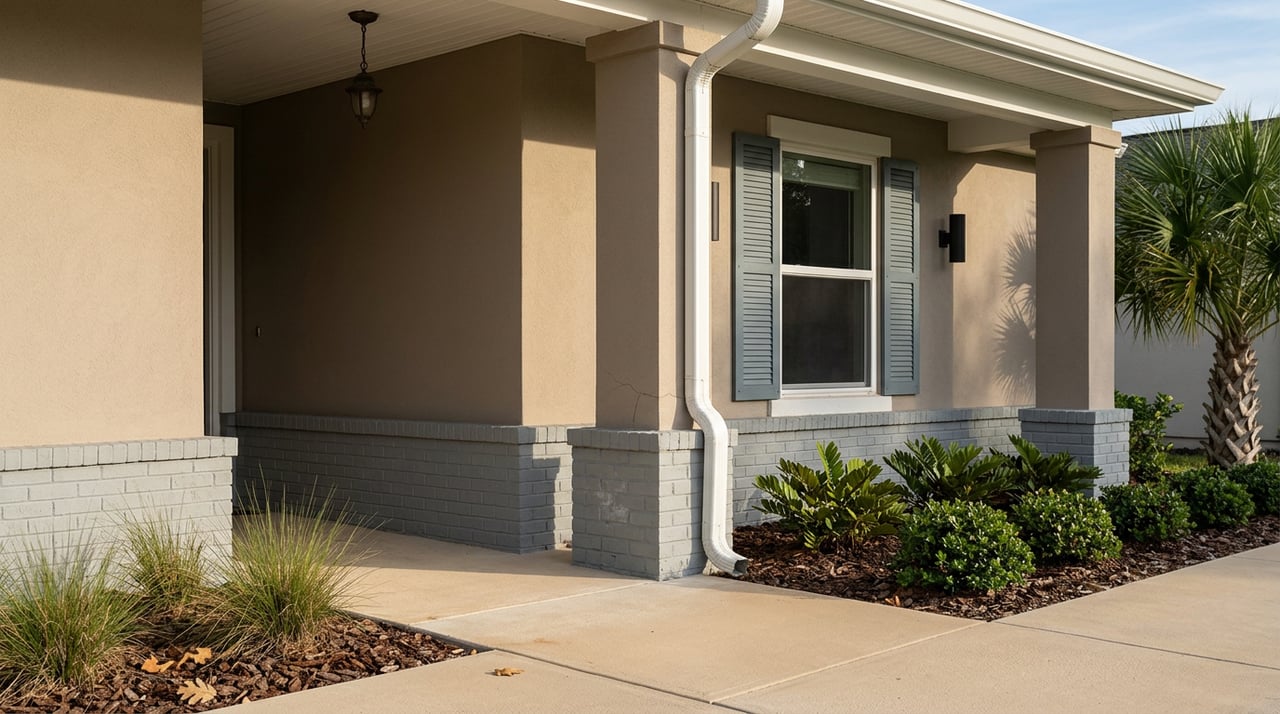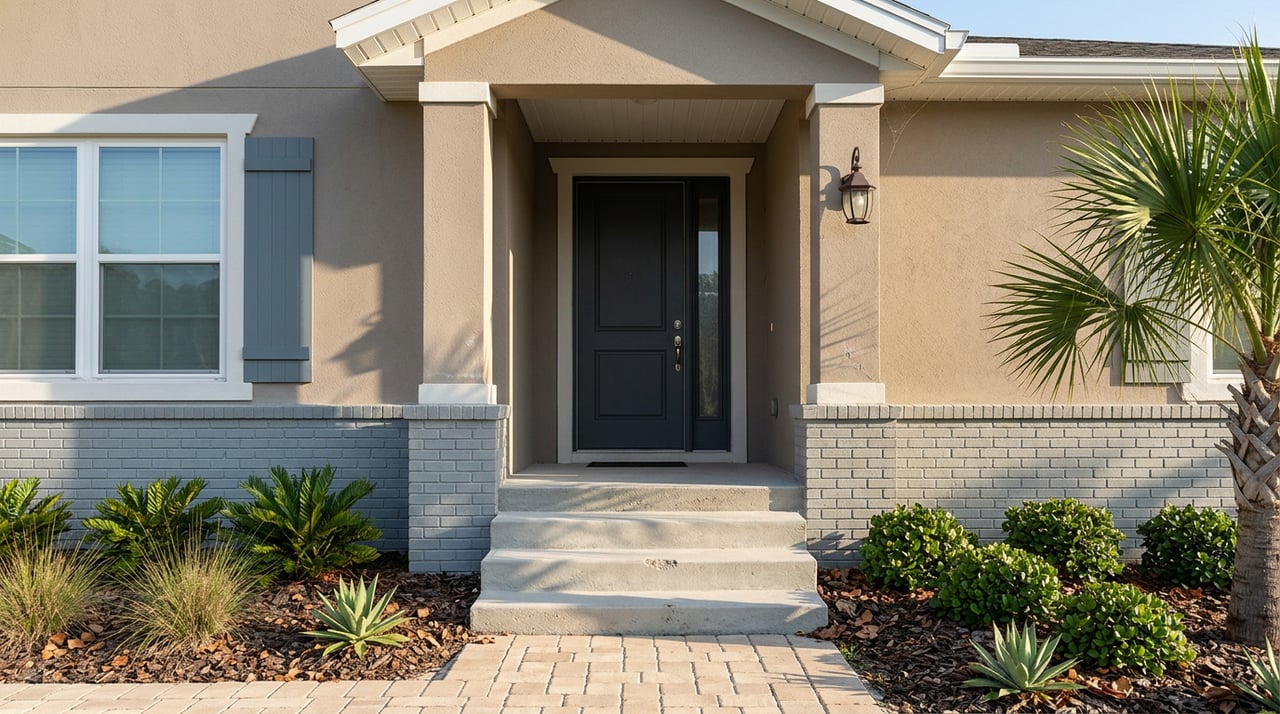
Trying to choose between Snell Isle, Old Northeast, and Shore Acres can feel harder than it looks. On a map, they sit close together on St. Petersburg’s east side, but the day-to-day experience of living in each one is very different. If you want to narrow your search with more confidence, this guide will help you compare character, housing style, location feel, and flood-related considerations so you can focus on the St. Pete fit that matches your goals. Let’s dive in.
Why These St. Pete Areas Feel So Different
All three neighborhoods sit on St. Petersburg’s northeast or east side and fall within St. Petersburg Police District 2. Even so, they were shaped by different development eras and different relationships to the water.
That history still shows up today. Old Northeast feels compact and historic, Snell Isle feels more planned and estate-oriented, and Shore Acres stands out most for its direct water orientation and flood-resilience considerations.
Old Northeast: Historic And Walkable
If you picture classic St. Pete charm, Old Northeast is often what comes to mind. The North Shore Historic District, also called the Old Northeast Residential Neighborhood, spans about 425 acres and contains roughly 2,975 historic buildings.
The architecture is one of its biggest draws. Documented styles include Frame Vernacular, Masonry Vernacular, Classical Revival, Colonial Revival, Craftsman and Bungalow, Prairie, and Mediterranean Revival. You also see details tied closely to the neighborhood’s identity, including brick streets, granite curbs, and the well-known hexagonal sidewalks.
For many buyers, the biggest lifestyle advantage is location. Old Northeast abuts downtown, borders Coffee Pot Bay, and sits near North Shore Park, with downtown restaurants, events, and waterfront activity just minutes away.
This is usually the strongest fit if you want a neighborhood with a clear preservation-minded identity and easier access to downtown St. Petersburg. It tends to feel denser and more urban than Snell Isle or Shore Acres because of its smaller footprint and concentration of prewar homes.
What Old Northeast May Suit Best
- Buyers who want historic architecture
- People who value walkability to downtown-adjacent amenities
- Home shoppers drawn to a consistent streetscape
- Anyone who appreciates preservation character over a more reinvented feel
Snell Isle: Planned, Waterfront, And Estate-Like
Snell Isle has a different kind of presence. Its identity traces back to early 20th-century development by C. Perry Snell, who acquired land along Coffee Pot Bayou, installed streets and utilities in the mid-1920s, and promoted Mediterranean Revival design in the area.
That planned origin still shapes how Snell Isle feels today. Compared with Old Northeast, it often reads as more deliberate, more open, and more estate-like in scale.
Buyers who are drawn to waterfront living often notice this right away. The historic record highlights Mediterranean and Spanish-influenced design, open green spaces, and a prestige-oriented setting tied closely to the bay and golf-club development history.
Snell Isle also sits in the flood conversation, but the city’s flood report notes that it is higher in elevation than Shore Acres. Flooding can still occur, especially when high tides combine with heavy rains along areas such as Snell Isle Boulevard NE and Appian Way.
That makes Snell Isle a strong option if you want a waterfront setting with a bit more topographic confidence than Shore Acres, while still understanding that water-adjacent ownership comes with ongoing due diligence.
What Snell Isle May Suit Best
- Buyers who want a more open, estate-style setting
- People drawn to Mediterranean or Spanish-influenced legacy design
- Home shoppers seeking a prestige-oriented waterfront feel
- Buyers who want to compare water access with elevation carefully
Shore Acres: Water-Oriented And Rebuilding
Shore Acres is the most clearly water-focused of the three neighborhoods. The Shore Acres Civic Association describes it as an island community and highlights parks, a recreation center, cleanup efforts, and community engagement around neighborhood conditions.
From a lifestyle standpoint, Shore Acres is often associated with canals, water views, biking access to downtown, and nearby shopping convenience. If your goal is direct coastal orientation, this area often stands out quickly.
At the same time, Shore Acres has the biggest resilience question. The city’s 2019 repetitive-loss analysis identified Shore Acres as one of the city’s repetitive-loss areas, and it noted that many structures in the study area are single-story, slab-on-grade homes built from masonry or brick that are more prone to flooding.
The same city reporting explains that flooding can be aggravated by high tides, poor street drainage, and vehicle wake. The city’s later update also describes Shore Acres as low-lying and dependent on ditches, small lakes, and canals that drain to Tampa Bay.
Mitigation, demolition, and new construction have reduced some flood-damaged structures, but not all vulnerability has been removed. In practical terms, Shore Acres is often the neighborhood where buyers need to spend the most time reviewing elevation, insurance implications, and the condition or rebuild status of a specific property.
What Shore Acres May Suit Best
- Buyers who prioritize canals and water views
- People comfortable evaluating a rebuilding market
- Home shoppers willing to study flood-related property details closely
- Buyers looking at long-term improvement potential on a property-by-property basis
Side-By-Side Comparison
If you are touring all three, it helps to think about them in simple lifestyle terms.
| Neighborhood | Core Appeal | Housing Character | Location Feel | Key Watch-Out |
|---|---|---|---|---|
| Old Northeast | Historic charm and downtown adjacency | Prewar homes, preserved architecture, classic streetscape | Compact and more urban | Preservation-related considerations can vary by property |
| Snell Isle | Planned waterfront prestige | Mediterranean legacy, larger-scale feel | Open and estate-oriented | Flood review still matters in water-adjacent areas |
| Shore Acres | Direct water orientation | Mix of existing homes, rebuilds, and evolving stock | Coastal and island-like | Strongest flood-resilience homework |
How To Choose The Right Fit
The best neighborhood is the one that matches how you actually want to live. A beautiful home in the wrong setting can feel less satisfying than a strong match between property, location, and daily routine.
Start with your top priority. If you want preserved architecture and downtown access, Old Northeast may rise to the top. If you want a more private and planned waterfront feel, Snell Isle may be the better fit. If your focus is canals, water views, and buying into an evolving rebuild market, Shore Acres may deserve a closer look.
Then look past the neighborhood name and study the property itself. In these parts of St. Pete, flood zone, elevation, and any exterior-change restrictions can vary meaningfully from block to block.
That is especially important because these are not just three versions of the same east-side lifestyle. Old Northeast is about preservation and urban convenience, Snell Isle is about planned waterfront prestige, and Shore Acres is about coastal living and resilience.
A Smart Touring Strategy
If you are early in your search, tour all three with a checklist. That makes it easier to compare what you are seeing instead of relying only on first impressions.
Consider tracking:
- How close you want to be to downtown activity
- Whether historic character or larger-scale lots matter more to you
- Your comfort level with flood-risk review and insurance questions
- Whether you prefer a preserved neighborhood feel or a more evolving housing mix
- How important direct water orientation is to your lifestyle
Seeing these neighborhoods back to back often makes the differences obvious. What feels charming and connected in one area may feel too dense for one buyer, while what feels open and waterfront-driven in another may feel too exposed or maintenance-heavy for someone else.
If you want help comparing homes in Snell Isle, Old Northeast, or Shore Acres, The Brescia Group brings a local, education-first approach to buying in St. Petersburg, with guidance that helps you weigh character, location, and property-specific details with clarity.
FAQs
What is the main difference between Old Northeast, Snell Isle, and Shore Acres in St. Petersburg?
- Old Northeast is known for historic character and downtown adjacency, Snell Isle for a more planned and estate-like waterfront feel, and Shore Acres for direct water orientation with stronger flood-resilience considerations.
Is Old Northeast in St. Petersburg a historic district?
- Yes. The North Shore Historic District, also called the Old Northeast Residential Neighborhood, spans about 425 acres and includes roughly 2,975 historic buildings.
Does Snell Isle in St. Petersburg have flood concerns?
- Yes. The city reports that Snell Isle is higher in elevation than Shore Acres, but flooding can still occur when high tides and heavy rains happen together in certain areas.
Why do buyers pay close attention to flood risk in Shore Acres?
- City reporting identifies Shore Acres as a repetitive-loss area with many low-lying structures that can be more prone to flooding due to tides, drainage limits, and surrounding water systems.
Which St. Petersburg neighborhood is closest to downtown amenities?
- Old Northeast has the strongest downtown adjacency of the three, with downtown activity described as just minutes away.
Should you compare homes block by block in these St. Petersburg neighborhoods?
- Yes. Flood zone, elevation, and property-specific restrictions can vary meaningfully even within the same neighborhood name.