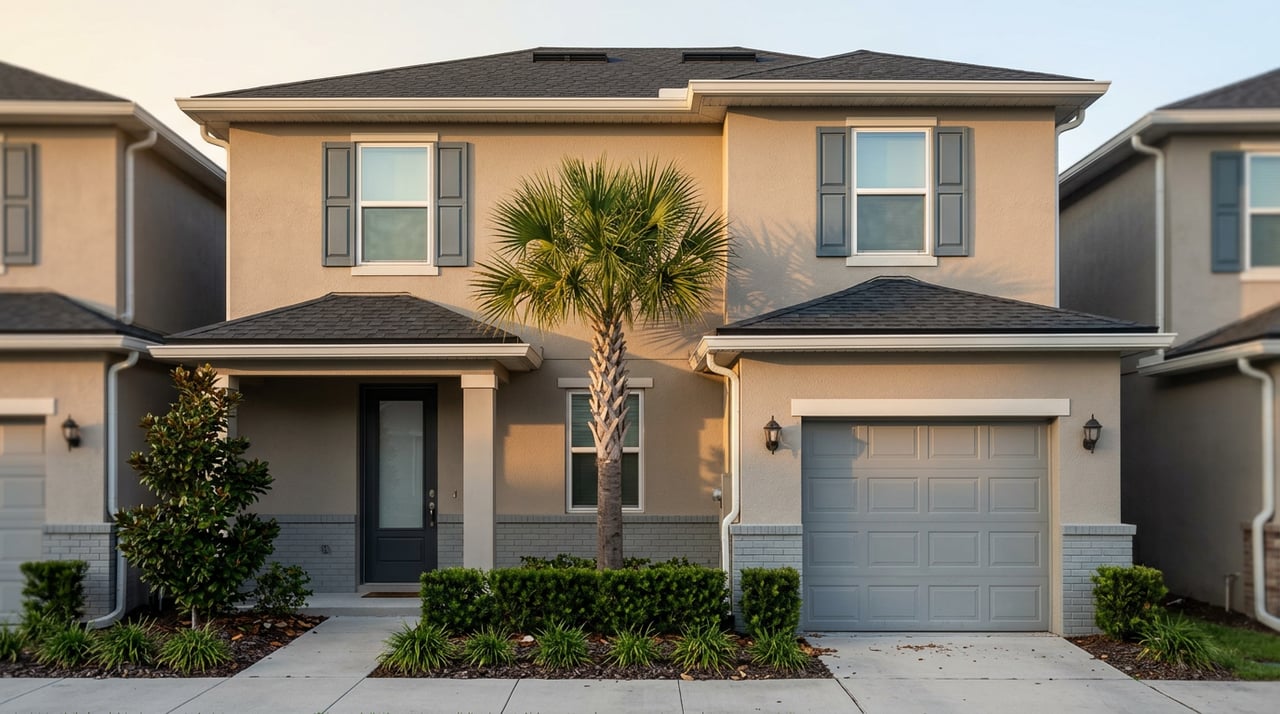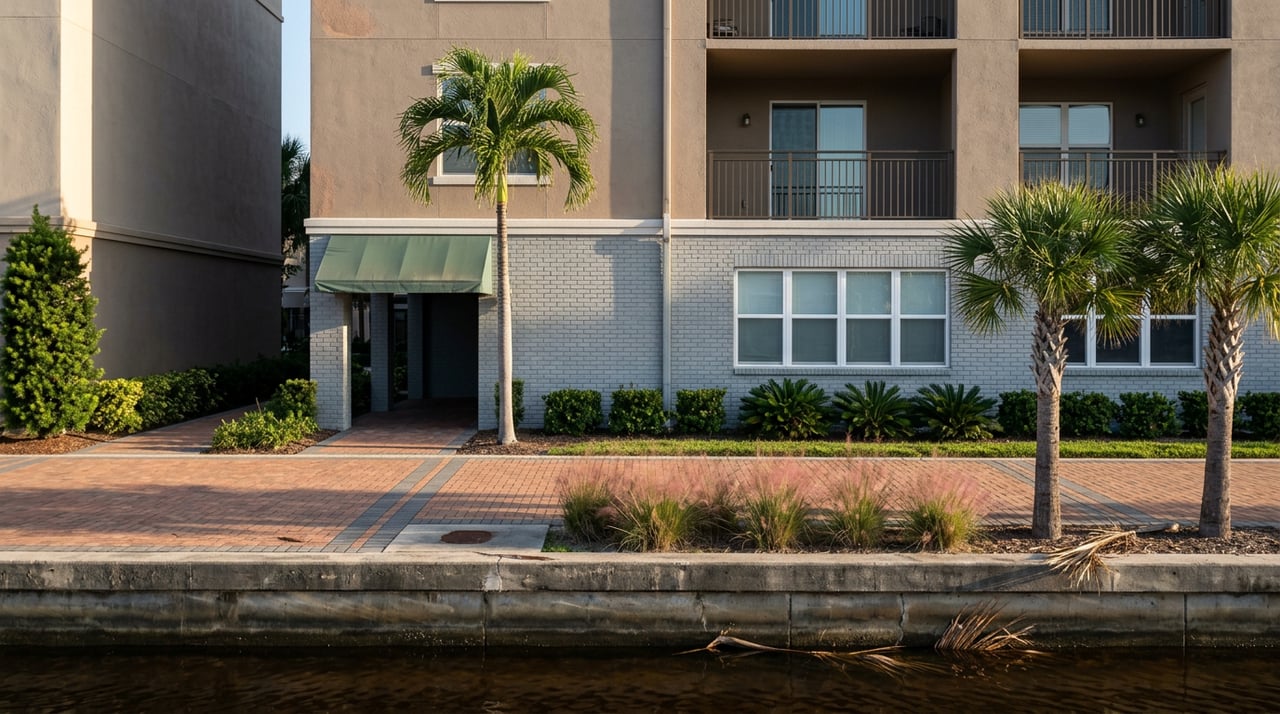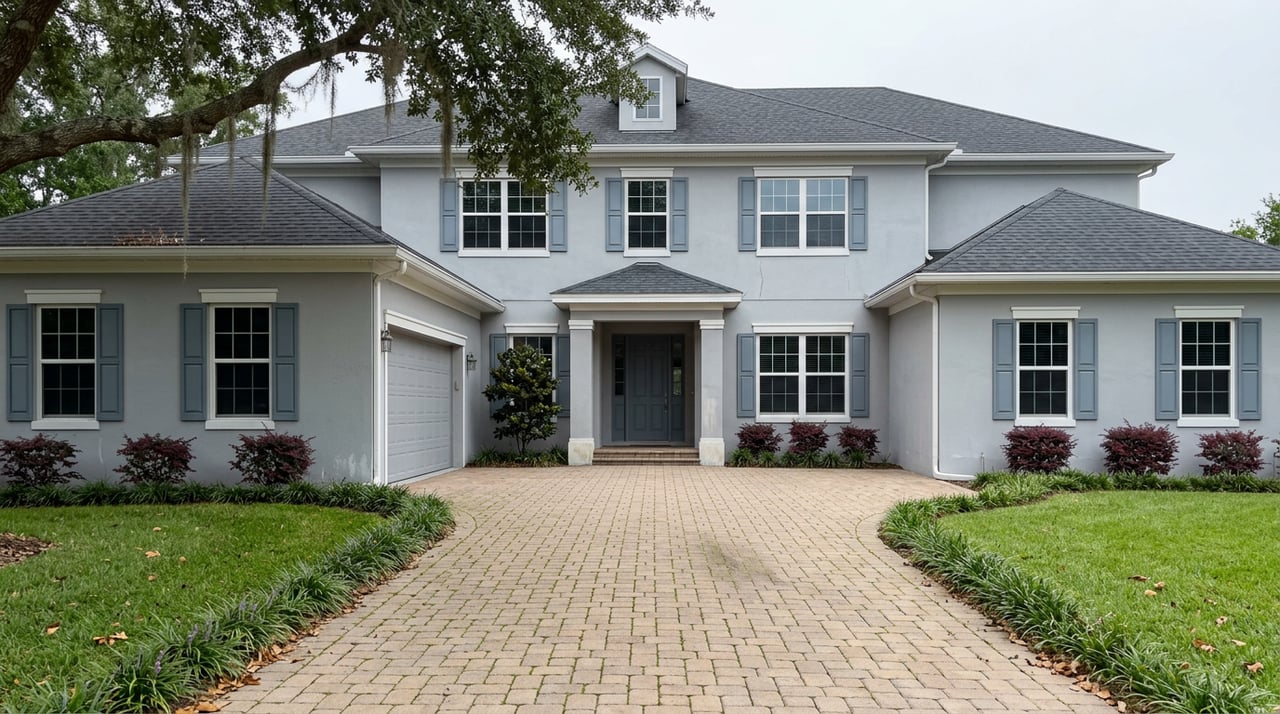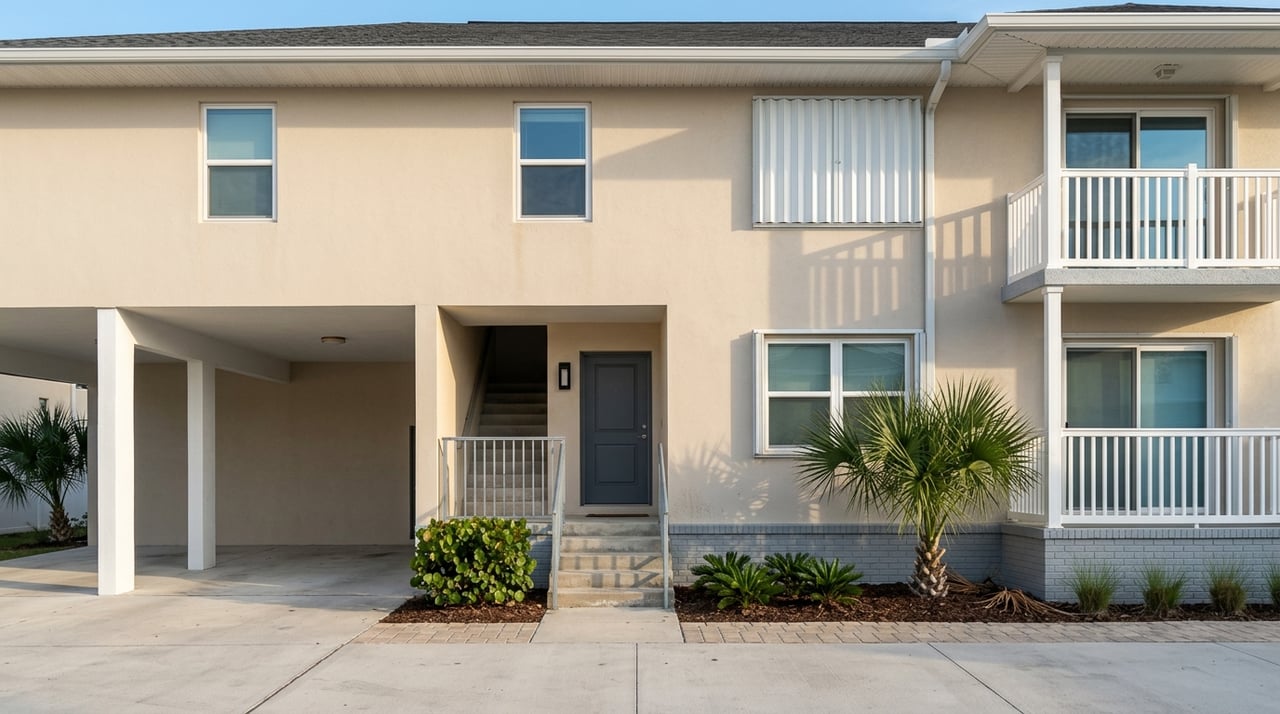
Dreaming about a place where you can slip away for long weekends, winter stays, or future retirement plans? Buying a second home on Tampa Bay’s Gulf beaches can be exciting, but it also comes with questions that are easy to underestimate. If you are looking in the 33715 area, understanding flood risk, rental rules, ownership costs, and property type differences can help you buy with more confidence. Let’s dive in.
Why 33715 second-home buying is unique
A second home in 33715 is not the same as buying an inland vacation property. This ZIP code includes Tierra Verde, which Pinellas County describes as an unincorporated barrier-island community, and the area is closely tied to the Gulf beach lifestyle and coastal conditions.
That setting brings real advantages, but it also changes your decision-making. In Pinellas County, everyone is in a flood zone, and the county says flood zones, evacuation zones, and storm surge maps should all be checked separately. For a second-home buyer, that matters because you may not be there full time when weather events happen.
If you are buying for part-time use, convenience and resilience both need to be part of the plan. You want a home that fits your lifestyle, but you also need to know how it will function during hurricane season, storm preparation, and possible post-storm access rules.
Start with your real goal
Before you compare listings, get clear on how you want to use the property. Some buyers want a lock-and-leave beach retreat. Others want a home they can enjoy seasonally and rent out during parts of the year.
That distinction affects almost everything else. The right property for occasional personal use may be very different from the right property for mixed personal and rental use. In 33715, your ideal purchase depends on how the parcel is regulated, what the association allows, and what level of maintenance you are comfortable handling.
Condo or single-family home?
This is one of the biggest choices you will make, especially for a second home.
Why condos appeal to second-home buyers
For many buyers, a condo offers a simpler ownership experience. Under Florida condominium law, the association is responsible for maintaining the common elements, which can make seasonal ownership feel more manageable.
That said, convenience does not mean fewer questions. Florida law also requires important condo disclosures, and buyers should review governing documents, budgets, annual financial statements, rules, and, when applicable, the latest milestone inspection summary and structural integrity reserve study.
If the building is three stories or higher, reserve planning and building condition deserve close attention. A condo can be a great fit for buyers who want easier upkeep, but association finances and the risk of special assessments should be part of your analysis from day one.
Why single-family homes require more planning
A single-family home often gives you more privacy, space, and control. It can also be attractive if you want a more customized second-home experience.
But in a beach-area setting, more control usually means more direct responsibility. Exterior upkeep, storm preparation, and property protection often fall more heavily on you unless an HOA or community association shifts some responsibilities through recorded documents.
For some buyers, that tradeoff is worth it. For others, especially those who live out of state or plan to visit only part of the year, lower-maintenance ownership may be the smarter path.
Know the costs beyond the purchase price
The monthly and annual carrying costs of a beach-area second home can be very different from what you are used to.
Property taxes for a second home
In Pinellas County, property taxes are based on taxable value multiplied by the millage rate. A second home usually does not qualify for Florida’s homestead exemption because that exemption applies when the property is your permanent residence.
That is important for budgeting. Pinellas County does note that non-homesteaded property is generally subject to a 10 percent annual cap on assessed-value increases, but your tax picture can still differ meaningfully from a primary residence.
Flood insurance and storm-related costs
Pinellas County says most homeowners insurance policies do not cover flood losses. Flood insurance is mandatory for federally backed mortgages in Special Flood Hazard Areas, and the county identifies Zones V, VE, A, and AE as high-risk flood zones.
Even outside those areas, the county makes a key point: everyone in Pinellas County is at risk for flooding. That is why you should review the flood zone, evacuation zone, and storm surge exposure for the exact address before you move forward.
If the home is in unincorporated Pinellas County and was built after September 1992 in a Special Flood Hazard Area, the county may have an elevation certificate on file. That can be an important document to request during due diligence.
Rental taxes if you plan to generate income
If you plan to rent out your second home, tax compliance matters. Florida allows counties to impose transient rental taxes on accommodations rented for six months or less, and Pinellas County requires owners collecting that type of rent to register for a tourist development tax account, collect the tax, and remit it.
Do not assume a rental platform handles everything. Pinellas County notes that if the platform does not collect and pay the tax, the owner remains liable.
Rental potential depends on more than demand
It is easy to look at a coastal market and assume strong visitor demand automatically means easy rental income. In this area, demand is only part of the equation.
Visit St. Pete-Clearwater reported more than 15.4 million visitors and more than $11.2 billion in economic impact in fiscal year 2024. The same report showed more than $1.6 billion in accommodations revenue and more than 6.4 million hotel room nights, which points to a very active tourism economy.
Seasonality matters too. Earlier visitor data showed January through March had the highest direct visitor spending and hotel room nights of the year, which aligns with the area’s milder winter pattern. Summer and fall can still be active, but they come with hotter, wetter weather and hurricane-season considerations, since NOAA says the Atlantic hurricane season runs from June 1 through November 30.
For a second-home buyer, that often creates a practical pattern: strong personal use or rental interest in winter and spring, with more weather-related flexibility needed in summer and fall.
Check the property’s jurisdiction first
In 33715, the parcel’s jurisdiction can matter as much as the water view.
Unincorporated Pinellas rules
In unincorporated Pinellas County, a short-term rental is any property rented for less than 30 days at a time more than three times per year. The county requires a Certificate of Use, an inspection, and compliance with occupancy, parking, noise, trash, and safety rules.
The county also sets quiet hours from 10 p.m. to 9 a.m. If you are buying with rental plans in mind, these rules should be confirmed before you sign a contract.
City rules may be different
Nearby jurisdictions can have different frameworks. For example, St. Pete Beach allows rentals of one month or more in all residences, while stays of less than 30 days are prohibited in many districts and allowed only in limited parts of the city under specific zoning rules.
That is why you should never rely on general assumptions about “beach rental” demand or use. You need to verify what is allowed for that exact address and parcel.
Barrier-island ownership needs extra due diligence
Barrier-island ownership can be rewarding, but it calls for more preparation. Pinellas County maintains a re-entry permit process for barrier-island owners after storms, which can affect how and when access is restored following certain events.
For part-time owners, this is especially important. If you live elsewhere, you should understand what storm procedures apply, how access is handled, and what your plan is for securing the home when severe weather is approaching.
Questions to ask before you buy
If you want to protect both your lifestyle and your budget, these are the questions to ask early:
- Is the property in unincorporated Pinellas County or inside a city?
- Which rental rules apply to this exact parcel?
- What are the flood zone, evacuation zone, and storm surge exposure for the address?
- Is there an elevation certificate on file?
- If it is a condo, can you review the declaration, bylaws, rules, budget, financial statement, reserve information, recent board minutes, and any special-assessment history?
- If you plan to rent it, what are the minimum stay rules, occupancy limits, parking standards, and local tax obligations?
- Does the property fall under barrier-island re-entry procedures after storms?
These are not small details. In this market, they shape whether a property truly fits your goals.
The smartest way to approach a second-home purchase
The best second-home decisions in 33715 usually come from matching the property to your real use case. If you want a low-maintenance coastal retreat, a well-vetted condo may offer the simplicity you need. If you want more control, more space, or a different ownership experience, a single-family home may be the better fit, provided you are prepared for the added responsibilities.
Either way, your decision should go beyond finishes and views. You want a clear picture of flood exposure, carrying costs, association health, rental restrictions, and storm-related logistics before you commit.
That is where education matters. A second home on Tampa Bay’s Gulf beaches can be a wonderful lifestyle purchase and a meaningful long-term asset, but the strongest outcomes usually come from buying with eyes wide open.
When you are ready to explore 33715 with a strategy built around your goals, The Brescia Group can help you evaluate the property, the use case, and the details that matter most.
FAQs
What makes buying a second home in 33715 different from buying inland?
- In 33715, you need to evaluate flood zone, evacuation zone, storm surge exposure, possible barrier-island re-entry procedures, and local rental rules in addition to the home itself.
What should condo buyers in 33715 review before closing?
- Condo buyers should review the declaration, bylaws, rules, annual budget, financial statement, and, if applicable, milestone inspection and structural integrity reserve study documents.
What should single-family second-home buyers in 33715 expect?
- Single-family buyers should expect more direct responsibility for exterior upkeep, storm preparation, and ongoing maintenance unless an HOA or community association assigns some of those duties differently.
Do second homes in Pinellas County qualify for the homestead exemption?
- Usually no. Pinellas County says Florida’s homestead exemption applies when the property is your permanent residence, so a second home generally does not qualify.
What flood-related checks should buyers make for a 33715 property?
- Buyers should check the exact property’s flood zone, evacuation zone, storm surge exposure, and whether an elevation certificate is available when applicable.
Can you use any 33715 property as a short-term rental?
- No. Rental use depends on the property’s jurisdiction, zoning, and local rules, so you should verify what is allowed for the exact parcel before buying.
What taxes apply if you rent out a second home in Pinellas County?
- If you rent accommodations for six months or less, Pinellas County says you may need to register for a tourist development tax account, collect the tax, and remit it unless the platform does so on your behalf.
When is second-home demand typically strongest on Tampa Bay’s Gulf beaches?
- Visitor data points to especially strong winter and spring demand, while summer and fall often require more flexibility because of hotter weather and hurricane-season risk.