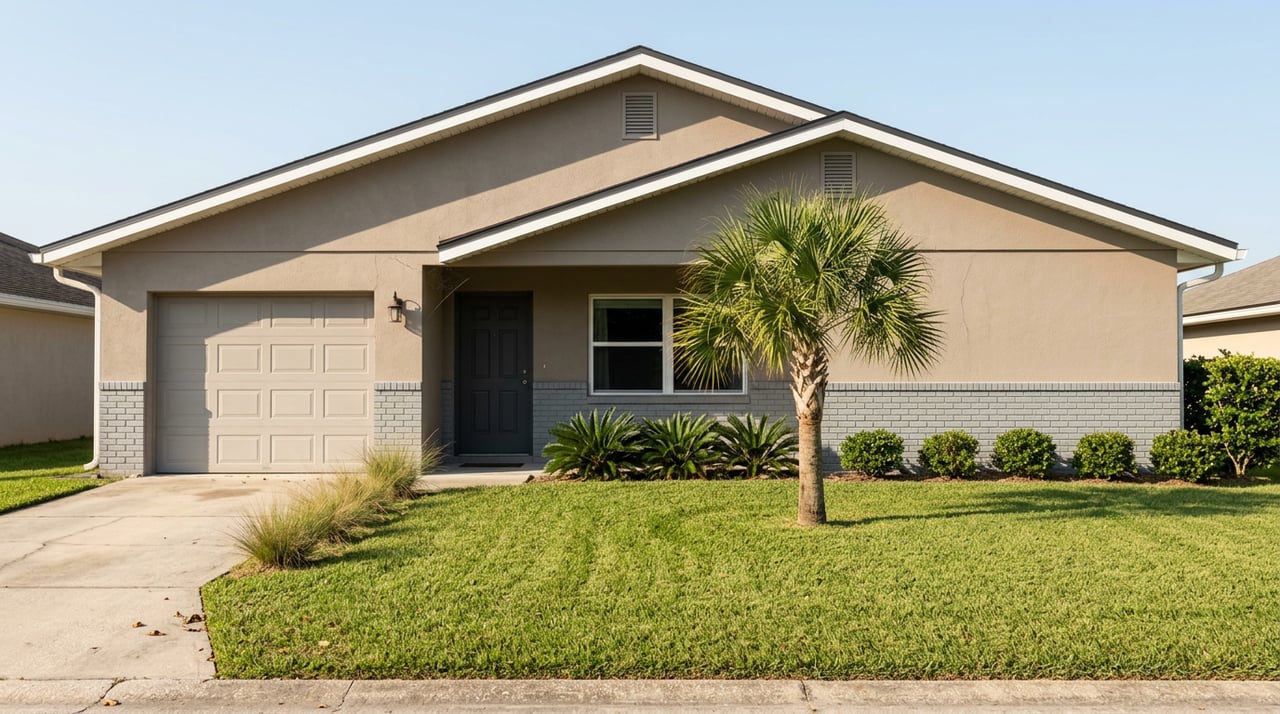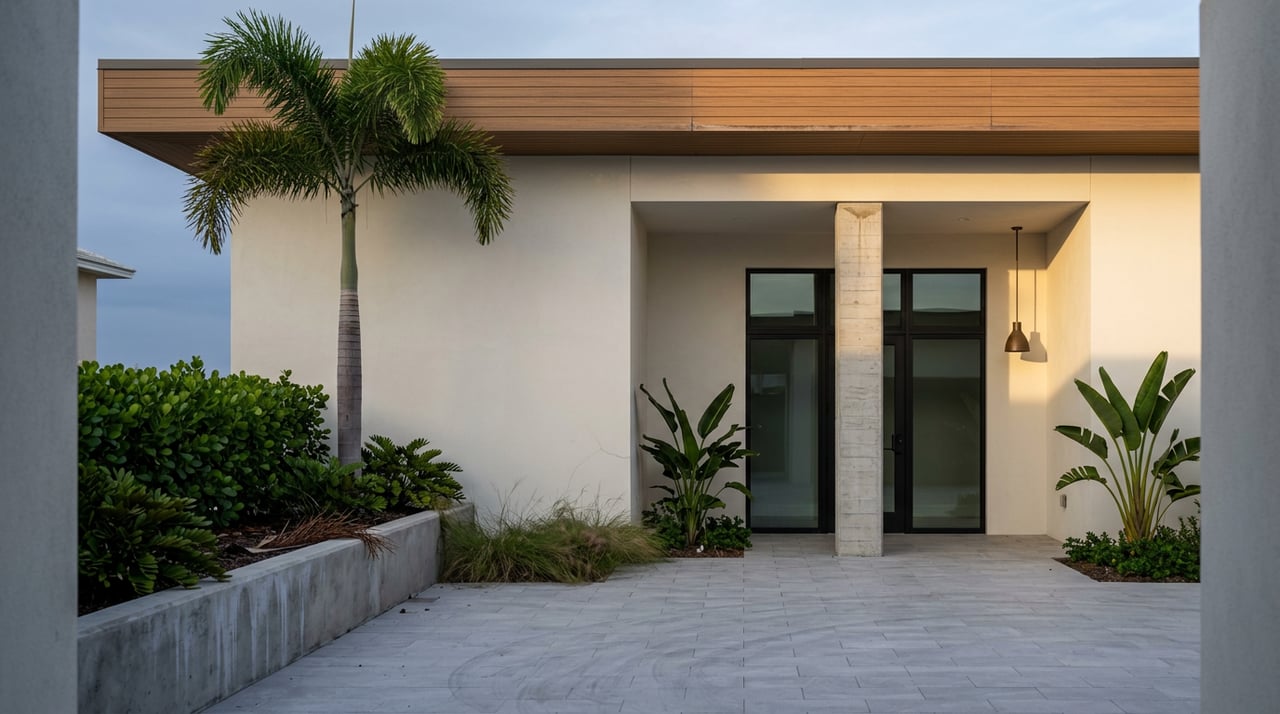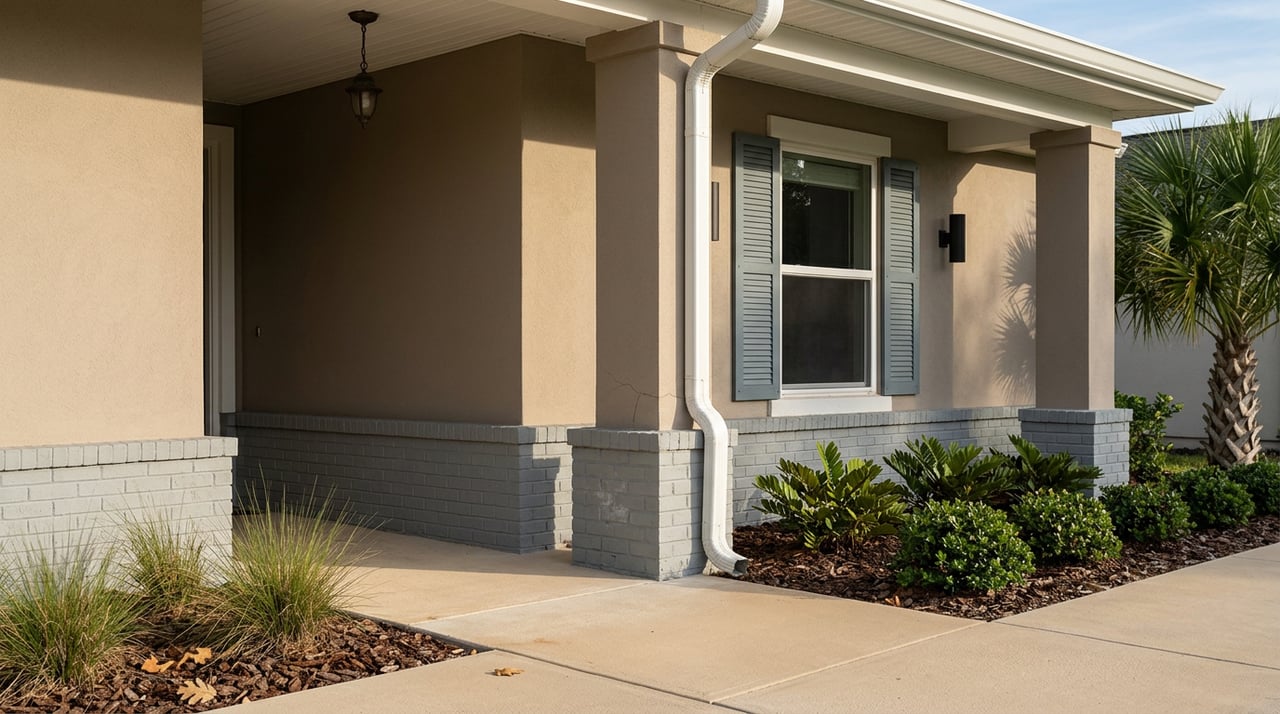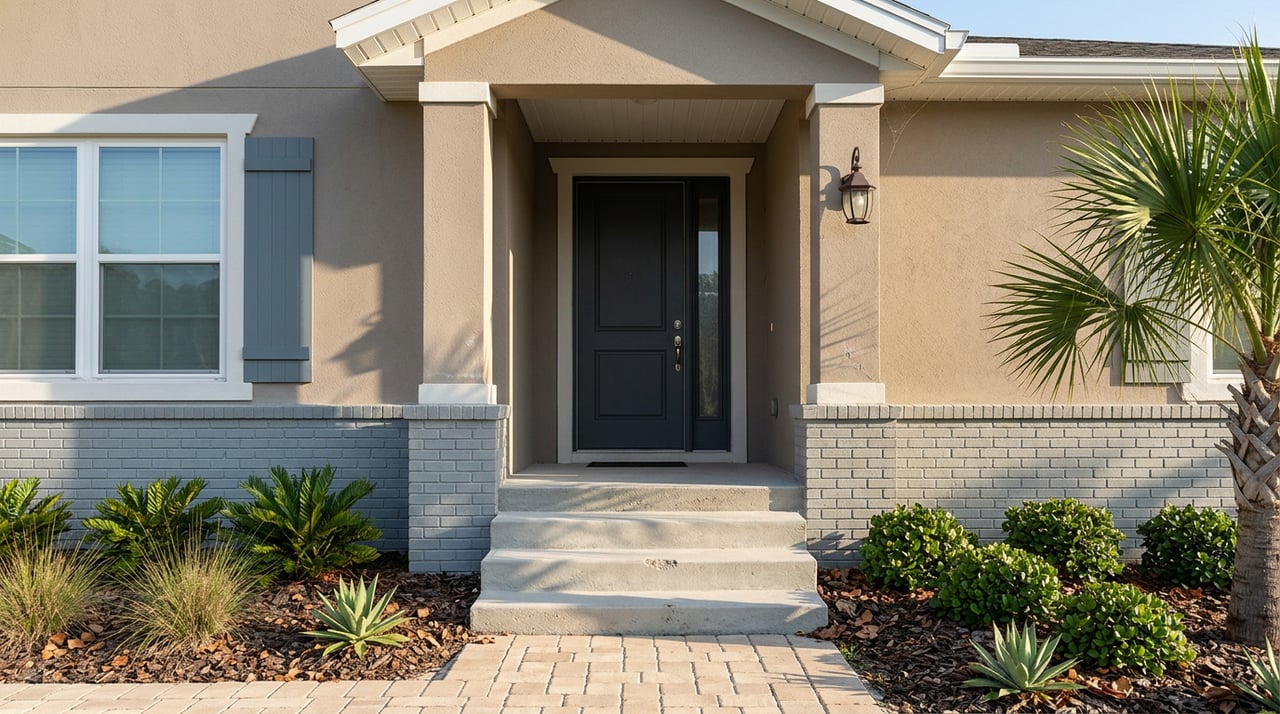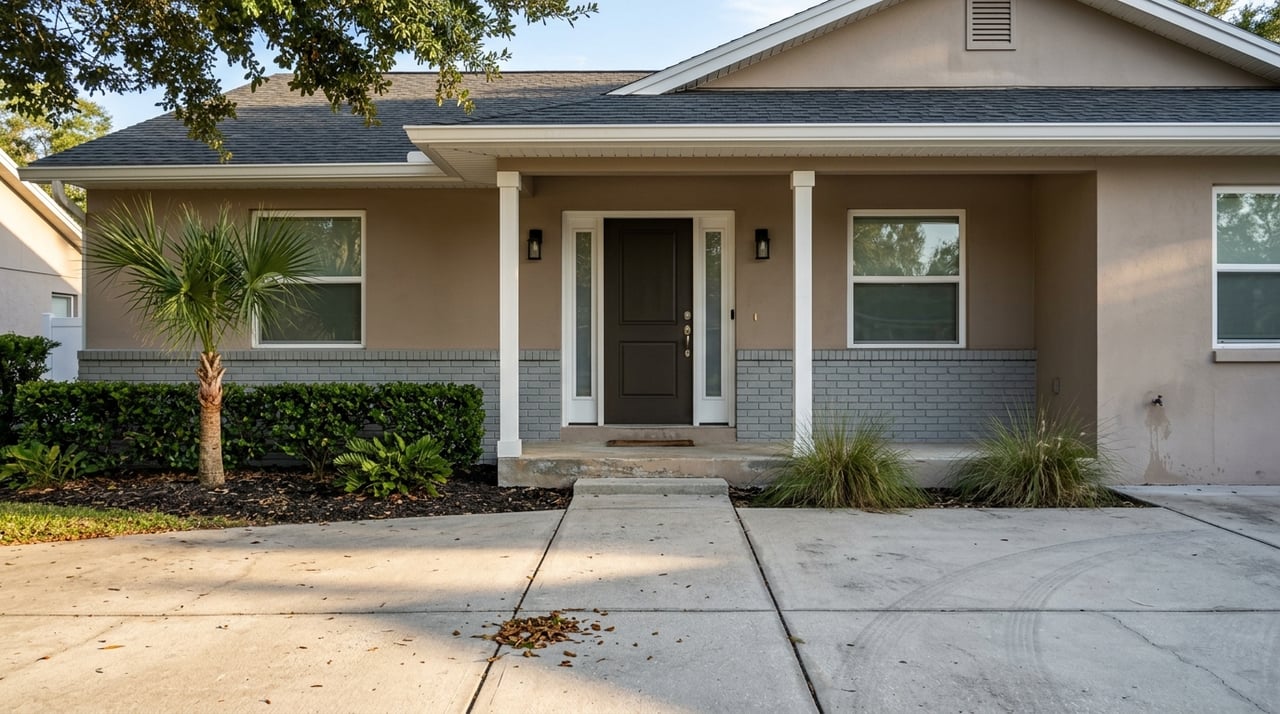
If you are relocating to Orlando, one of the first surprises is how different each part of the metro can feel. Orlando is not one single housing market. It is a mix of communities across the region, each offering a different balance of commute access, home style, amenities, and daily lifestyle. The good news is that once you know what to compare, the search gets much easier. Let’s dive in.
Start With Your Daily Routine
When you move to a new city, it is easy to focus on home photos first. In Orlando, your day-to-day routine should usually come before the floor plan. The metro is shaped by major road corridors, and where you live can have a big impact on how easily you reach work, the airport, schools, shopping, and recreation.
According to the Central Florida Expressway Authority, key routes like SR 408, SR 417, SR 429, and SR 528 help connect neighborhoods to downtown Orlando, Orlando International Airport, UCF, east Orlando, west Orange County, and other major destinations. SunRail also offers a limited rail option with 61 miles and 17 stations, including stops like Sand Lake Road, Meadow Woods, and Orlando Health.
That means your first question should be simple: Where do you need to go most often? If you will be commuting to downtown, the airport, Lake Nona, UCF, or one of the region’s large employers, that should guide your shortlist before anything else.
Understand Orlando’s Community Types
A helpful way to narrow your options is to think in terms of community style. Orlando has a wide range of residential settings, but most relocating buyers are choosing between a few clear categories.
Walkable Urban Areas
If you want a more connected, local feel, walkable neighborhoods may be the best match. Regional Orlando sources highlight areas like Baldwin Park, Thornton Park, College Park, Winter Park, Ivanhoe Village, SoDo, the Milk District, and Mills 50 for their mix of walkability, dining, arts, and older housing character.
These areas often appeal to buyers who want to be closer to established business districts, restaurants, parks, and local events. In many cases, you may trade larger lots and newer construction for more character and a shorter drive to central destinations.
Master-Planned Communities
If you prefer newer homes, organized amenities, and a more structured neighborhood layout, master-planned communities are worth a close look. Communities such as Lake Nona, Horizon West, Celebration, and Alafaya/Waterford Lakes are known for planned growth, parks, trails, village-style centers, and convenient service access.
These neighborhoods often attract buyers who want a more predictable community layout and shared amenities. They can also be a good fit if new construction or newer resale inventory is high on your list.
Luxury and Golf-Centered Areas
Some buyers are looking for a more private or amenity-rich setting. In that case, communities like Heathrow, Windermere, and Lake Nona Golf & Country Club often come into the conversation.
These areas are known for features like gated entry, golf access, lakefront living, and club-style amenities. They may be a better fit if lifestyle amenities and privacy matter as much as the home itself.
Match the Community to Your Commute
For many relocators, commute geometry is the single most useful filter. Orlando’s employer map is spread across the region, and large job centers include Walt Disney World Resort, AdventHealth, Universal Orlando, Orlando Health, Orlando International Airport, UCF, Lockheed Martin, Siemens Energy, and SeaWorld, based on the Orlando Economic Partnership’s major employer data.
If your work is tied to east Orlando or UCF, access to SR 408 or SR 417 may matter a lot. The SR 408 corridor connects major destinations including downtown Orlando, Orlando International Airport, Valencia College, SR 417, UCF, Lockheed Martin, and Waterford Lakes.
If you need access to Sanford, Oviedo, UCF, east Orlando, or Kissimmee, the SR 417 corridor may help shape where you focus. If you are drawn to west Orange County, SR 429 plays an important role in regional access, while SR 528 is especially relevant for airport access and trips toward the coast.
A community can look perfect online and still be wrong for your lifestyle if the drive does not work. That is why many buyers benefit from choosing their top commute routes first, then evaluating communities along those paths.
Compare Lifestyle Priorities Honestly
After commute, the next step is figuring out what kind of daily environment fits you best. This is where many relocators make better decisions by being honest about their habits instead of shopping by wish list alone.
Ask yourself a few practical questions:
- Do you want walkability or a larger yard?
- Is newer construction a priority?
- Do you prefer an established neighborhood feel?
- How important are parks, trails, or community amenities?
- How often will you need quick airport access?
- Are you comfortable with HOA, CDD, or club-related fees?
These questions matter because Orlando offers strong options in several directions. There is no universal “best” community. The right fit depends on what you value most.
Look Closely at Planned Community Costs
Master-planned communities can offer convenience, attractive common areas, and shared amenities. They can also come with additional layers of cost and rules. In Florida, community development districts play a formal role in financing and maintaining infrastructure in planned communities.
In practical terms, that often means some Orlando neighborhoods may include HOA fees, CDD obligations, or other shared costs tied to upkeep, amenities, trails, entry features, and common areas. For many buyers, that trade-off is worth it. For others, an older neighborhood with fewer managed amenities may feel like a better match.
This is an important part of the search because the comparison is not just about home price. It is also about monthly lifestyle cost and how much structure you want in the community.
Know the Big Growth Areas
If you are looking for newer inventory or fast-growing areas, a few communities stand out. Orlando continues to face a housing shortage, with the city reporting that demand is outpacing supply, population is projected to grow by more than 90,000 over the next ten years, and about 46,000 new housing units are needed. The city also notes that much of the current housing pipeline is concentrated in large planned areas like Lake Nona, Sunbridge, and Everbe.
Lake Nona remains one of the region’s most recognized growth hubs. Orlando sources describe it as a modern area tied to wellness, technology, innovation, Medical City, trails, and green space.
Horizon West is another major area to watch. Orange County describes Horizon West as a community built around five mixed-use villages and a town center, designed to place housing near workplaces and services. The county also identifies it as the fastest-growing community in unincorporated Orange County.
For relocating buyers, these growth areas can offer newer homes, modern infrastructure, and planned amenities. They can also feel very different from Orlando’s older, more established neighborhoods, so it is worth deciding which experience fits you better.
Create a Shortlist That Works
A strong Orlando home search usually starts with a shortlist of communities, not a giant map. Once you define your likely commute corridors and preferred lifestyle, you can narrow your focus with much more confidence.
A practical shortlist often includes three to five communities that fit your core priorities. From there, compare:
- Typical drive times to work and the airport
- Home age and construction style
- Walkability versus lot size
- Amenity structure and community fees
- Access to major roads or SunRail stations
- Overall neighborhood setting and pace
This approach helps you move from “Orlando has too many options” to “These are the few areas that actually fit the way I live.” That is usually when the search becomes more productive and less overwhelming.
Why Guidance Matters in a Relocation
Relocating is different from moving across town. You are not just choosing a house. You are choosing how your week will feel once the move is done.
That is why a good real estate advisor helps you compare more than listing photos. You want someone who can help you think through commute patterns, neighborhood styles, new construction opportunities, fee structures, and the trade-offs between convenience, character, and long-term value.
If you are planning a move and want help narrowing the right Orlando communities for your goals, connect with Crystal Richardson. You can get clear, practical guidance that helps you move forward with confidence.
FAQs
What should you consider first when relocating to an Orlando community?
- Start with your daily commute, including access to work, the airport, and major road corridors like SR 408, SR 417, SR 429, and SR 528.
Which Orlando communities are more walkable for relocating buyers?
- Orlando sources often highlight Baldwin Park, Thornton Park, College Park, Winter Park, Ivanhoe Village, SoDo, the Milk District, and Mills 50 for walkability, dining, and local character.
Which Orlando areas offer more master-planned living?
- Lake Nona, Horizon West, Celebration, and Alafaya/Waterford Lakes are commonly noted for planned layouts, parks, trails, and neighborhood amenities.
What should you know about HOA or CDD costs in Orlando communities?
- Many planned communities may include HOA fees, CDD-related costs, or other shared expenses tied to amenities, infrastructure, and common-area maintenance.
Which Orlando communities are known for luxury or golf amenities?
- Heathrow, Windermere, and Lake Nona Golf & Country Club are among the better-known options for buyers seeking luxury, privacy, golf, or lake-oriented living.
Why is Orlando community choice so important for relocation?
- Orlando is a mix of very different residential areas, so choosing the right community can affect your commute, housing style, monthly costs, and overall lifestyle.