Trying to narrow “Tampa Bay” to the right neighborhood can feel overwhelming. You have great options on both sides of the bay, each with a different mix of price, commute, lifestyle, and ongoing costs. With a clear method, you can turn big‑picture research into a short list that fits your life and your budget.
In this guide, you’ll get a simple, step‑by‑step framework to compare Tampa, St. Petersburg, North‑Tampa suburbs, and the Gulf‑Coast beach communities. You’ll also see practical neighborhood examples and the must‑do checks that protect your budget. Let’s dive in.
Your step‑by‑step game plan
Use this method to move from region to a 3–5 neighborhood shortlist:
- Define non‑negotiables. Set your max purchase price and monthly target, including taxes, insurance, HOA or CDD. List work addresses, commute limits, preferred home type, lifestyle needs, and your risk tolerance for flood or HOA/CDD fees.
- Weight your criteria. A simple model: Budget 30 percent, Commute 20 percent, Home style fit 15 percent, Schools and family needs 10 percent, Risk and ongoing costs 15 percent, Walkability and amenities 10 percent. Score each neighborhood 0 to 5, then multiply by the weight.
- Fast filters first. Start with price bands, then commute time to your job at rush hour, then the housing stock that actually exists in your range.
- Run a risk screen. Check FEMA flood maps and ask for elevation info before you get attached to a property.
- Confirm rules and fees. Short‑term rental rules, HOA documents, and CDD assessments can affect both use and cost.
- Field visits. See each area twice by day and once at night. Park, shop for groceries, test your cell signal, and attend a local event to feel traffic and noise.
What today’s market means for you
Price stats vary by source because they measure different geographies and property types. For context, Redfin reports the Tampa city median sale price around 447,500 dollars as of January 2026. Zillow’s metro Home Value Index for the Tampa–St. Petersburg–Clearwater area was about 351,532 dollars through December 31, 2025. City, county, and metro medians will not match, so be clear which one you are using when you compare.
Across late 2024 to 2025, inventory improved and many neighborhoods shifted from a hot seller’s market toward more balance. Buyers are seeing more options, slightly longer days on market, and more price reductions than in 2021–2022, especially outside the most in‑demand pockets. You can read a local breakdown in this market commentary.
Insurance is a major part of affordability in Tampa Bay. Local reporting shows it takes a larger share of the monthly bill here than the national average, and coastal exposure can increase costs further. Build quotes into your early math and treat them as a primary filter. See a concise overview in this Axios analysis of insurance and affordability.
Region snapshots at a glance
Tampa (city)
- Fit: Urban energy, shorter drives to Downtown and Westshore, mixed housing from historic bungalows to new townhomes.
- Price: City medians are above many suburban pockets, with wide variation by neighborhood.
- Commute and transit: HART bus service connects many areas, and the TECO streetcar links downtown and Channelside. Driving remains the norm. HART route coverage helps if you rely on transit.
- Risk and costs: Some inland areas reduce flood exposure, while older roofs or systems can affect insurance quotes. Always verify.
St. Petersburg and Pinellas County
- Fit: Strong arts and food scene with quick access to gulf beaches. Many neighborhoods are more walkable.
- Price: Historic areas often command premiums. Some coastal condo segments saw higher inventory and softer pricing than inland single‑family.
- Transit and lifestyle: The SunRunner bus rapid transit connects downtown St. Pete and the beaches with frequent service.
- Rules and risk: Pinellas cities regulate short‑term rentals. Barrier islands and coastal properties have higher flood and wind exposure.
North‑Tampa suburbs
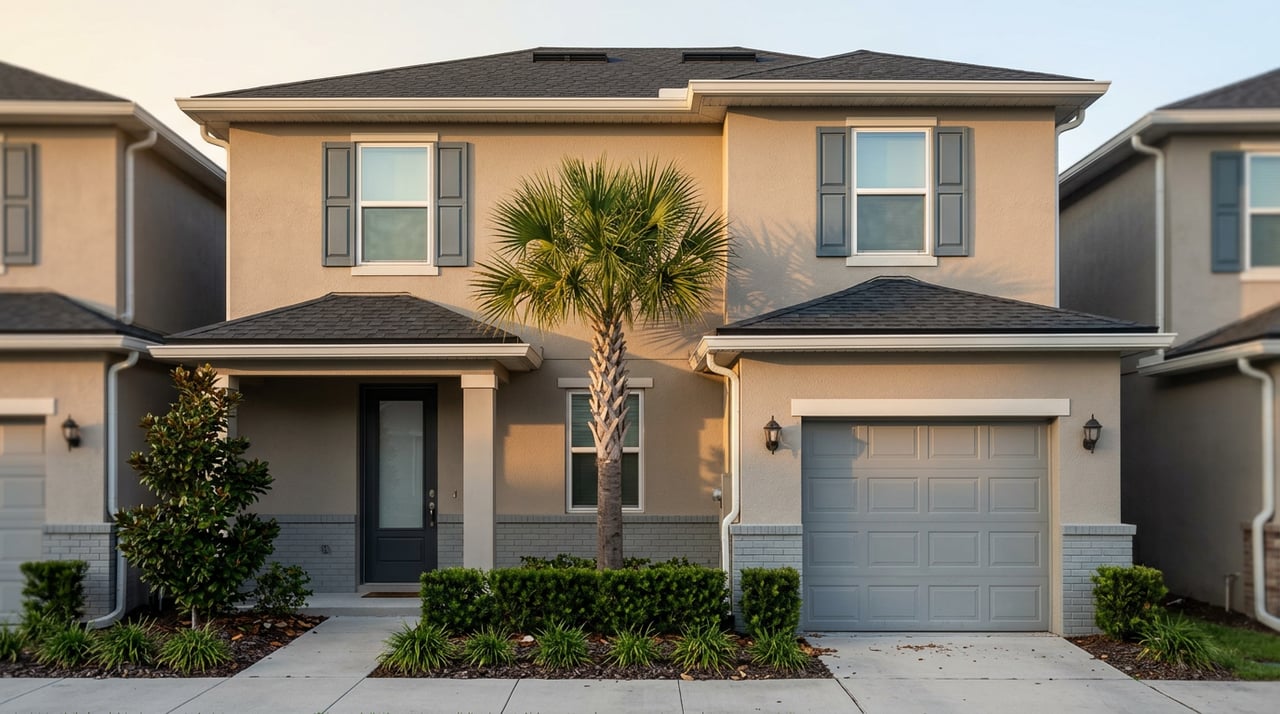
- Fit: Larger homes for the price, master‑planned communities, and newer construction options.
- Price and fees: Often lower entry prices than inner‑city areas, but check HOA and CDD assessments.
- Commute: Plan for longer rush‑hour drives toward Downtown or Westshore. Most workers in the region still commute under an hour according to Plan Hillsborough.
Gulf‑Coast beach communities
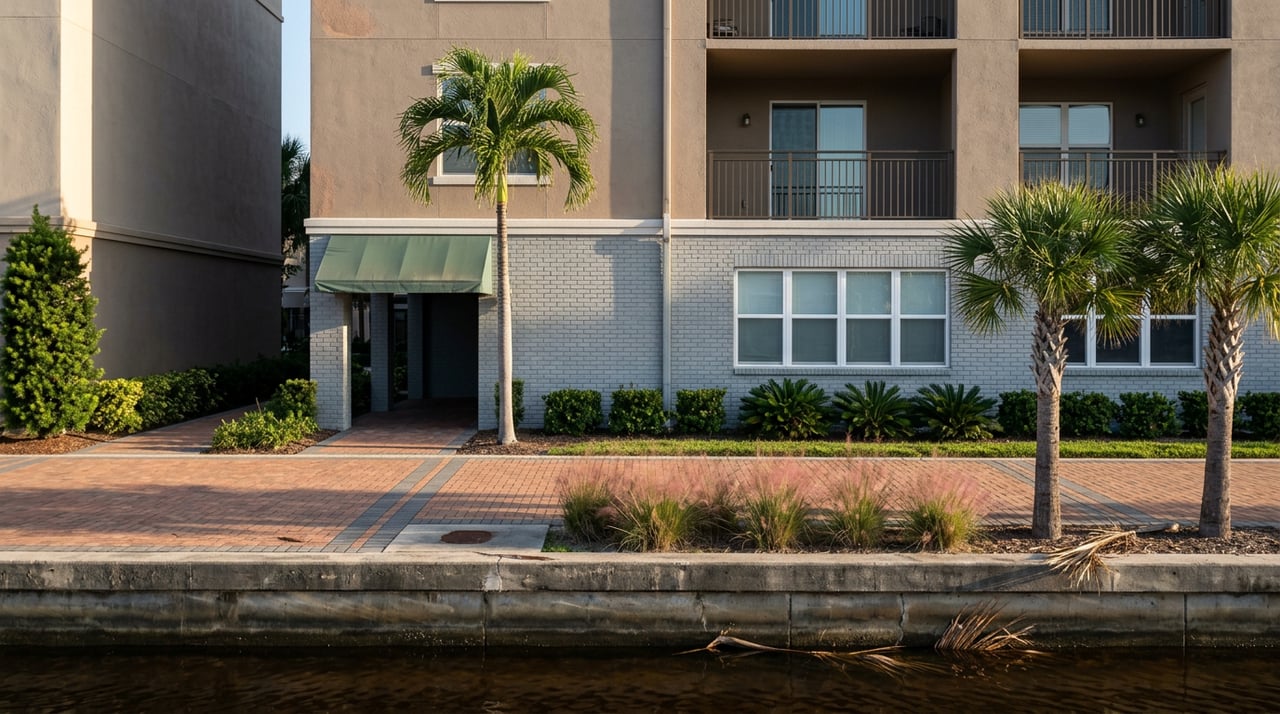
- Fit: Beach‑centric living, seasonal use, or investment focus. Many condos and STR buildings.
- Price and risk: Premium pricing for waterfront or views, plus higher insurance and maintenance. STR rules vary by city and zone.
Tampa: 3 neighborhoods to consider
These profiles are illustrative starting points. Score each against your criteria and verify address‑level risks and costs.
Hyde Park
Historic character, Bayshore proximity, and a walkable village feel near downtown. You will find upscale single‑family homes and townhomes with strong lifestyle appeal. Check parking options and verify flood zone by address. View walkability data on the Hyde Park Walk Score page.
- One‑line snapshot: Great for walkable urban life near downtown, moderate flood considerations by block, higher price bands.
Seminole Heights
Early‑20th‑century bungalows, local restaurants, and a central location. Housing is more varied in age and condition, so inspections and insurance quotes matter. Commute to Downtown is reasonable by car or select HART routes.
- One‑line snapshot: Character homes and local vibe, variable renovation levels, mid‑range pricing within city context.
South Tampa
Close to Bayshore, Westshore, and MacDill employment centers. Mix of updated mid‑century homes and new infill builds. Street‑by‑street flood zones can change insurance needs, so confirm before you write.
- One‑line snapshot: Prime location and amenities, short commutes, wide price spread with address‑specific flood risk.
St. Petersburg and nearby Pinellas: 3 neighborhoods to consider
Old Northeast
Historic architecture, brick streets, and quick access to downtown St. Pete. Premium pricing reflects location and character. Some blocks sit at lower elevation, so verify flood zone and quotes.
- One‑line snapshot: Top‑tier lifestyle and walkability, higher prices, check flood and wind coverage closely.
Crescent Heights
Centrally located single‑family streets with quick downtown access. A mix of older and newer homes. Popular for its convenience and broader price range relative to waterfront areas.
- One‑line snapshot: Close‑in convenience with varied stock, moderate pricing for St. Pete, address‑level flood checks.
Historic Kenwood
Known for bungalows and an arts‑friendly feel, plus proximity to downtown. Renovation levels vary, so plan for thorough inspections.
- One‑line snapshot: Character and culture near downtown, generally more attainable than waterfront districts, verify insurance and updates.
Regulatory note: If STR income is part of your plan, study city rules before you search. Pinellas County details a Certificate of Use process and safety checks for many rentals. Start with the county’s short‑term rental FAQs.
North‑Tampa suburbs: 3 areas to consider
New Tampa
Master‑planned communities with newer homes, community amenities, and CDDs in many neighborhoods. Expect longer drives to Downtown or Westshore in peak hours.
- One‑line snapshot: Newer construction and amenities, check CDD and HOA fees, plan commute tests.
Wesley Chapel
Active building and shopping corridors with new‑build options and larger floorplans. CDD assessments are common, and commute times vary widely by exact location.
- One‑line snapshot: Space and value in newer communities, confirm fees and drive times at rush hour.
Carrollwood
Established suburbs with mature trees and a variety of home ages and sizes. Fewer master‑planned CDDs than farther‑out areas, but still verify HOA rules.
- One‑line snapshot: Central‑north convenience with varied stock, moderate pricing spectrum, car‑forward lifestyle.
For commute context and regional averages, review Plan Hillsborough’s commute report and test your route live.
Gulf‑Coast beach towns: 3 to compare
Clearwater Beach
Iconic beachfront with resort energy and strong seasonal demand. Premium condo pricing for direct views and higher carrying costs for wind and flood.
- One‑line snapshot: Vacation‑grade beach access, top pricing, run full insurance quotes and STR rule checks.
St. Pete Beach
A mix of condos and single‑family close to the sand. Rules for short‑term rentals vary by zone and building, so review city code and association documents.
- One‑line snapshot: Daily beach lifestyle, higher insurance exposure, confirm rental permissions and reserves.
Indian Rocks Beach
More low‑rise and neighborhood feel than some larger beach hubs. Inventory can be tight, so be ready with pre‑underwriting and quotes.
- One‑line snapshot: Quieter beach streets, limited supply, higher carrying costs near water.
SunRunner BRT service enhances connections between downtown St. Pete and the beaches, which can be a real lifestyle plus. See schedules on PSTA’s SunRunner page.
Before you write an offer: essential checks
Use this quick checklist to protect your budget and timeline:
- Flood and elevation. Confirm the FEMA flood zone and look for an elevation certificate if the home is in a Special Flood Hazard Area. Start with the state’s FEMA flood resources.
- Insurance quotes. Get at least two homeowner quotes and one flood quote early. Coastal exposure often raises premiums. Read the Axios overview on insurance costs to understand local trends.
- Taxes, homestead, and CDD. Check county records and whether the parcel sits in a Community Development District. Learn how CDDs are structured in Florida Statute Chapter 190.
- Schools and capacity. Review district and Florida DOE data, then call the school to confirm capacity and processes. Hillsborough highlights recent improvements in this district update.
- Local STR rules. In Pinellas, many rentals require a Certificate of Use and safety steps. Read the county STR FAQs and verify city‑level rules.
- Commute tests. Drive your routes at your real AM and PM times. If you depend on transit, check HART routes and frequency and SunRunner schedules.
- Infrastructure updates. Projects like the Howard Frankland Bridge and I‑275 improvements can change travel patterns. Track updates on the FDOT project news page.
Put it all together
If you define your must‑haves, weight what matters most, and then run price, commute, housing stock, and risk filters in order, you will quickly land on a shortlist that fits your lifestyle and your budget. From there, live visits and real quotes will separate a good option from a great one.
When you are ready to compare specific homes, get a local advisor who can pull neighborhood medians, confirm CDD and HOA facts, request elevation details, and pressure‑test your monthly cost with real insurance quotes. For a tailored shortlist and on‑the‑ground guidance, connect with Crystal Richardson for a planning call.
FAQs
How should I compare Tampa vs. St. Petersburg for commute?
- Map your work address, test both AM and PM drives at your target times, and review Plan Hillsborough’s commute trends to set expectations.
Why do Tampa Bay price stats look different by source?
- Each source measures a different area and sample. For example, Tampa city medians will differ from metro indexes, and condos vs. single‑family mix also affects numbers.
What is a CDD fee in North‑Tampa communities?
- A Community Development District funds infrastructure in many newer areas. The assessment appears on your tax bill. See Florida Statute Chapter 190 for structure and basics.
How much can insurance add near the beach?
- It varies by address and building specs, but coastal wind and flood exposure often increase premiums. Start early and factor quotes into your monthly target using the Axios overview.
How do short‑term rental rules affect Pinellas properties?
- Many areas require registration, safety checks, or limit short stays by zone. Review the county’s STR FAQs and confirm city ordinances and HOA rules before you buy.
How do I check flood risk for a specific address?
- Look up the FEMA flood zone and request an elevation certificate if applicable. Start with the state’s FEMA flood resources, then get insurance quotes to price the risk.