What is daily life really like in Tampa Bay when the vacation ends and real life begins? If you’re weighing a move, you want the truth about the heat, the neighborhoods, the commute, and the real costs of owning a home. This guide gives you a clear picture of everyday living, the tradeoffs across the region, and practical steps to relocate smoothly. Let’s dive in.
What “Tampa Bay” Means Here
We’re using “Tampa Bay” to mean the Tampa–St. Petersburg–Clearwater metro: Tampa and South Tampa (Hillsborough County), St. Petersburg and the Pinellas beaches (Pinellas County), and nearby suburbs in Pasco County. Many movers also consider Manatee and Sarasota counties part of the broader search. It’s a large, steadily growing coastal metro with a strong outdoor lifestyle, a busy sports calendar, and a mix of urban, suburban, and beach communities.
Florida has no state income tax, which is a major draw for many buyers. Sales and property taxes apply and vary by county and municipality. Housing is the main cost driver for most relocations, and prices depend heavily on neighborhood and proximity to water.
Climate and Seasons You’ll Feel
Tampa Bay has a humid subtropical climate with a strong marine influence. You’ll feel a defined wet season and dry season.
- Summers: Highs usually land in the upper 80s to low 90s with high humidity and frequent afternoon thunderstorms. Mornings and evenings are best for outdoor time.
- Winters: Mild and pleasant, with daytime highs often in the 60s and 70s. Prolonged freezes are rare in most of the metro.
- Rain: Annual rainfall is substantial and concentrated in the June to September rainy season.
- Hurricane season: Runs June 1 to November 30. Direct hits are not common, but storm surge and flooding are real considerations, especially on barrier islands and low-lying bayside areas.
What this means for your home and routine:
- Expect year-round A/C use. HVAC efficiency and age matter for comfort and energy costs.
- Humidity management counts. Dehumidifiers, proper attic ventilation, and good indoor airflow help prevent moisture issues.
- Plan for pests. Termite pressure is high. Pest inspections are a standard part of home buying.
- Prepare for storms. Know your flood zone, review hurricane preparedness for your home, and keep an evacuation plan.
Neighborhoods and Daily Life
You’ll find distinct personalities across the city, suburbs, and beaches. Picture these daily rhythms to see what fits your routine.
Urban Tampa
- Downtown/Channelside: High-rise condos, walkable to work, restaurants, and events. You might stroll to a coffee shop, grab a water taxi, and catch a game or concert after work.
- Hyde Park/South Tampa: Tree-lined streets, historic bungalows and mid-century homes, strong dining and boutique shopping. Daily life often includes a short drive to schools and parks.
- Ybor City: Historic district with Latin and Cuban heritage, nightlife, and event venues. Entertainment-focused living with a lively evening scene.
- Westshore: Corporate offices, mid-rise condos, major malls, and hotels. Convenient if you fly often.
- Davis Islands and Harbour Island: Island neighborhoods with a strong identity and upscale homes, close to downtown conveniences.
Housing types range from condos to historic bungalows to modern infill townhomes. Walkability varies by neighborhood, and most residents still rely on cars for daily errands.
St. Petersburg and the Pinellas Coast
- Downtown St. Pete: Arts-forward with museums, waterfront parks, and a walkable dining and craft beer scene.
- Beach towns: Clearwater Beach, St. Pete Beach, and Madeira Beach are vibrant and tourist-oriented. Seasonal populations swell in winter and spring. You’ll find many condos and short-term rentals, with everyday services available but more limited than inland.
- Pinellas suburbs: Dunedin, Safety Harbor, and Palm Harbor offer small-town main streets, established neighborhoods, and community events.
East and South Side Suburbs
- Brandon, Riverview, Carrollwood, Westchase, and New Tampa: Planned communities, newer single-family homes, neighborhood amenities, and easy access to shopping. Many families prioritize these areas for space and convenience.
- Pasco and Hernando counties: Often more affordable single-family options and a mix of new subdivisions and rural settings. Commutes to downtown areas run longer.
- Manatee and Sarasota: Coastal living farther south with different commute patterns and an active arts culture in Sarasota.
Island vs. Mainland Tradeoffs
- Island beaches offer views and quick beach access, but you should plan for higher insurance costs, more flood risk, seasonal traffic, and smaller lots with more condos.
- Mainland suburban areas often deliver larger homes and yards, newer construction, and reduced flood risk in many neighborhoods, with more driving to reach the beach.
Work, Commutes, and Services
- Employment: Healthcare and biomedical, defense and federal (MacDill Air Force Base), finance and professional services, port and logistics, hospitality and retail, and a growing tech and startup scene. Tampa Bay’s employer base supports a diverse workforce across the region.
- Commuting: Most people drive. Key highways include I‑275, I‑4, and I‑75. Commute times vary widely by route and time of day, with many in the mid-20s to low-30s minutes. Bus networks from HART (Hillsborough) and PSTA (Pinellas) provide coverage in select corridors. The TECO Line streetcar serves a small urban stretch. Regional transit is less comprehensive than in denser northern cities.
- Airports: Tampa International Airport is known for convenience and broad nonstop options, with St. Pete–Clearwater Airport as a smaller alternative.
- Schools: Hillsborough County Public Schools and Pinellas County Schools serve most families. School quality varies by campus and zone. Always verify school zone boundaries directly with the district.
- Healthcare: The area has a strong network of hospitals and specialty centers, including Tampa General Hospital, Moffitt Cancer Center, and Johns Hopkins All Children’s in St. Petersburg.
Housing Market and Costs
- Market snapshot: Prices rose sharply in 2020 to 2022, then cooled in 2023 as rates climbed. As of early 2024, demand and inventory vary by neighborhood. Popular beach areas and desirable suburbs often stay tight on supply, while downtown condo markets can offer more options at a range of price points. Review neighborhood-level trends and recent comps before you decide.
- Home types: Choose from coastal and downtown condos, historic bungalows in established areas, and newer planned communities in the suburbs.
- Monthly costs beyond your mortgage: Property taxes, homeowners insurance, possible flood insurance, HOA or condo fees, utilities with significant A/C usage, and routine pest and lawn care.
Insurance and Risk Basics
- Homeowners insurance: Florida’s insurance market has been volatile, and premiums have increased in recent years. Some carriers have reduced exposure. Citizens Property Insurance is the state’s insurer of last resort in certain cases.
- Flood insurance: Standard homeowners policies do not cover flood. If you buy in a FEMA flood zone or a low-lying area, you’ll likely need separate flood coverage. Flood maps and elevation can affect lending and insurance costs.
- Storm resilience: Building codes have strengthened over time. For older homes, roof condition, tie-downs, shutters or impact windows, and elevation are key considerations.
Inspections and Condo Due Diligence
- Single-family priorities: HVAC age and efficiency, roof condition, termite inspection, moisture and mold checks, drainage and grading, flood mitigation, and seawall condition for waterfront properties.
- Condos: Review association reserves, hurricane preparedness, recent updates, and any planned special assessments.
Affordability Strategies
- Look beyond the beaches: Eastern Hillsborough or northern Pasco can offer more house for the price than waterfront or central neighborhoods.
- Consider older homes: Established areas with older homes can deliver location benefits if you’re willing to renovate.
- Weigh condos vs. single-family: Condos can be a lower-entry option, but factor in HOA fees and flood risk.
Practical Relocation Checklist
Use this simple checklist to plan your move with fewer surprises.
Neighborhood fit
- Visit in both summer and late fall/winter to feel the heat, storms, and seasonal traffic.
- Compare island vs. mainland tradeoffs and your typical daily routine.
Due diligence
- Verify your flood zone and elevation and get multiple insurance quotes early.
- Review recent neighborhood comps and inventory trends before you bid.
- For condos, request financials, reserves, and any planned assessments.
- Confirm school zone boundaries directly with the district.
Home inspection focus
- HVAC efficiency and age, roof condition, pest and termite inspections.
- Moisture control, drainage, and, for waterfront, seawall condition.
Timing and logistics
- Peak moving season is spring to early summer; competition rises. Mid-fall and winter can offer more negotiating room.
- Plan for long-distance movers, car transport, and humidity-safe packing.
- Line up short-term housing if you need overlap time.
Residency steps
- Update your Florida driver’s license and vehicle registration.
- Register to vote in your new county.
- Check county office wait times and make appointments where available.
Lifestyle Snapshot
If you love being outdoors, Tampa Bay gives you a long season for boating, pickleball, golf, and waterfront walks. You’ll also find a strong food scene with seafood, Cuban, and broader Latin influences, plus a full slate of sports and events across the NFL, NHL, and MLB seasons. Tourism brings energy to beach towns, while city neighborhoods deliver museums and entertainment year-round.
How We Help You Move With Confidence
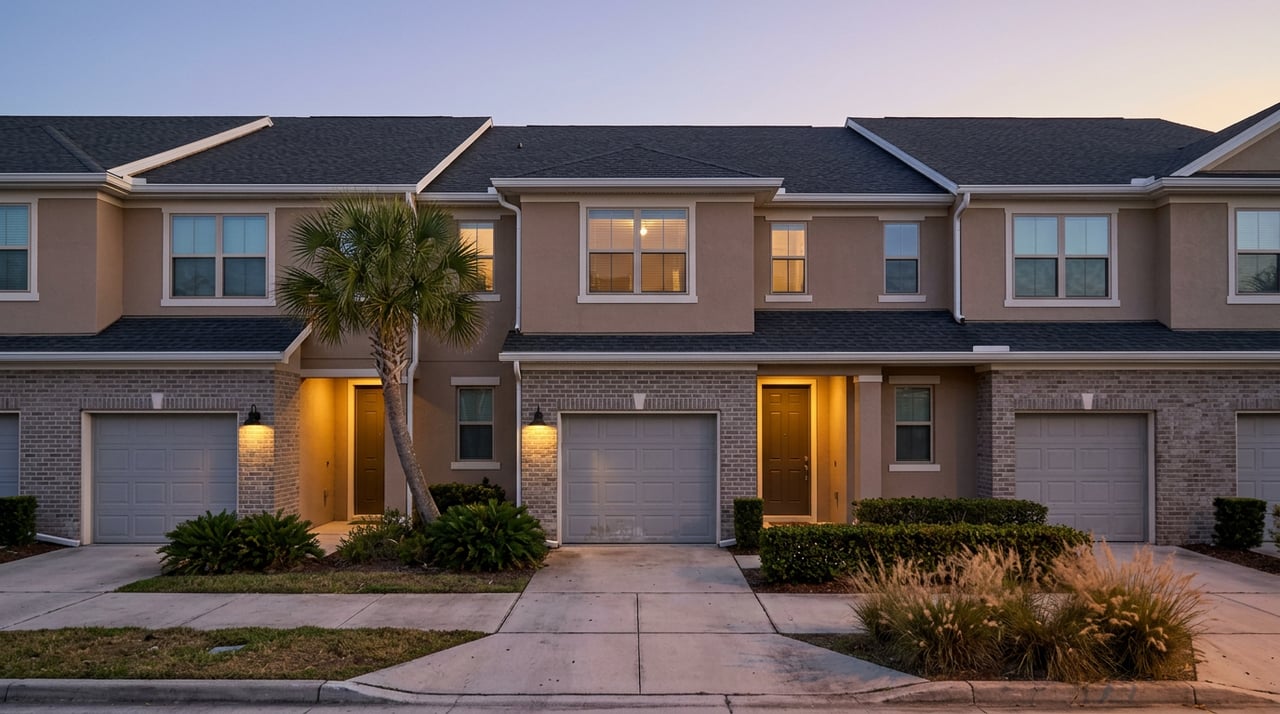
You deserve a clear plan and a smooth landing. The Brescia Group combines local market expertise, construction and renovation insight, and a concierge approach to help you choose the right neighborhood, understand insurance and flood considerations, and navigate inspections and HOA details with confidence. If you’re exploring new construction, our developer experience and Baypoint Luxury Townhomes give you access to design-forward options tailored to modern Tampa Bay living.
Ready to map your move, tour neighborhoods, and compare real numbers for your short list? Connect with our team for education-first guidance and a plan that fits your goals. Start a conversation with Crystal Richardson today.
FAQs
How hot and humid are summers in Tampa Bay?
- Summers are hot and humid with highs in the upper 80s to low 90s. Plan outdoor time for mornings and evenings, rely on efficient A/C, and use shading and hydration.
How real is hurricane and flood risk near the beaches?
- Risk exists across the region, especially for barrier islands and low-lying bayside areas. Elevation, flood zones, and insurance are key. Mitigation and preparedness matter.
Is Tampa Bay mostly retirees or is it good for families?
- The metro is diverse, with retirees, families, and young professionals. Neighborhoods differ in feel, housing types, and routines, so match the area to your lifestyle.
What should I know about Tampa Bay schools when relocating?
- Public schools are served by large districts, and quality varies by campus and zone. Always verify school boundaries directly with the district before you buy.
Is it easy to find a job in the Tampa Bay area?
- It depends on your field. Healthcare, defense, logistics, hospitality, and some tech are active. Many residents also work remotely for employers outside the region.
What monthly homeownership costs should I expect beyond the mortgage?
- Budget for property taxes, homeowners and possible flood insurance, HOA or condo dues, utilities with heavy A/C use, pest control, and lawn care.
Are condos a smart buy versus a single-family home near the coast?
- It depends on your lifestyle and budget. Condos can lower your entry price, but factor in HOA fees, reserves, special assessments, and flood risk.
When is the best time of year to move to Tampa Bay?
- Spring and early summer bring more listings and competition. Mid-fall and winter can offer more negotiation room. Visit in different seasons to test the climate and traffic.