Thinking about investing in St. Petersburg real estate but not sure whether to fix and flip or buy and hold? You’re not alone. Each path can work here, yet the right choice depends on your timeline, budget, risk tolerance, and the neighborhood you pick. In this guide, you’ll learn how both strategies play out in St. Pete, including timelines, renovation scopes and costs, permitting, financing, and exit options. Let’s dive in.
St. Pete market context you should know
St. Petersburg benefits from steady population and job growth across the Tampa Bay region, year‑round tourism, and limited shorefront land. These drivers support both resale prices and rental demand, especially near downtown and the beaches. Because this is a mature market, dynamics vary by neighborhood, so you’ll want to watch trends closely before you buy.
To check current pricing, days on market, and inventory, monitor the Redfin Data Center and Zillow Research. For rent levels and rent growth, use the ApartmentList research hub. For local permits, zoning, and any short‑term rental guidance, start with the City of St. Petersburg.
Strategy overview: flip vs hold
Both strategies can work in St. Pete. Here is how they differ at a glance:
- Time horizon:
- Fix and flip: short, typically months from purchase to sale.
- Buy and hold: medium to long, often years.
- What drives returns:
- Fix and flip: the spread between purchase plus rehab plus carrying costs and the after‑repair value.
- Buy and hold: net cash flow, long‑term appreciation, and tax benefits.
- Core risks:
- Fix and flip: scope creep, surprise repairs, permitting delays, contractor performance, and market softening before resale.
- Buy and hold: tenant turnover, operating cost swings, and longer exposure to market cycles, including insurance costs in Florida.
What a fix and flip looks like in St. Pete
Timeline and process
A typical flip involves acquisition, 1 to 6 months of rehab for light to moderate work, then 1 to 3 months to market and sell, depending on demand. Higher‑scope projects can extend to 6 to 12 months or more. The key is to control scope and move efficiently to limit carrying costs.
Target properties and neighborhoods
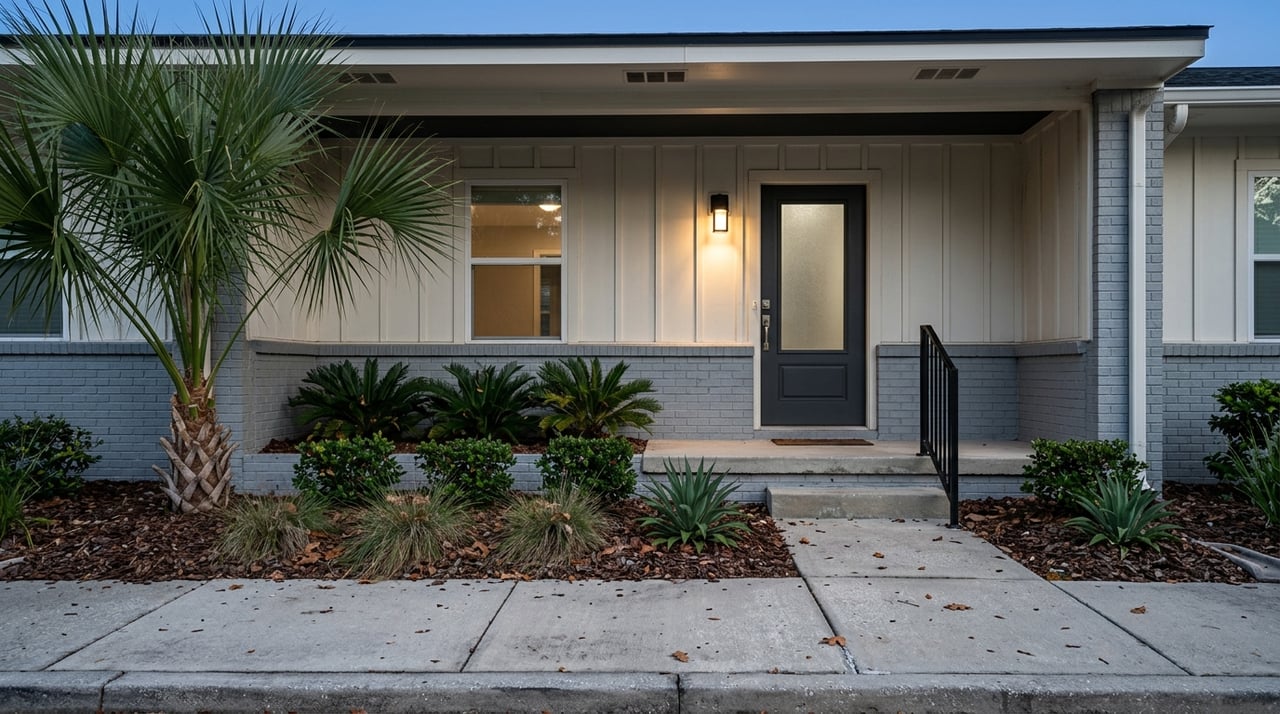
Flippers often target distressed or dated single‑family homes and bungalows in character neighborhoods where cosmetic upgrades produce strong buyer appeal. In St. Pete, examples include Old Northeast and Kenwood, as well as select condos near downtown when association rules and permits allow. Smaller footprints and older builds can yield strong uplift if your design choices match neighborhood expectations.
Renovation scope and typical costs
Scope ranges from cosmetic to full gut. Common ranges include:
- Light cosmetic updates: about $15 to $40 per square foot.
- Mid‑range rehab: about $50 to $120 per square foot.
- Major or full gut: about $120 to $250+ per square foot.
Typical line items you might encounter:
- Kitchen remodel (mid): $15,000 to $40,000.
- Bathroom update (mid): $8,000 to $25,000 per bath.
- HVAC replacement: $5,000 to $12,000.
- Roof replacement: $7,000 to $20,000.
- Exterior and landscaping: $2,000 to $15,000.
Use these as directional ranges only. Local pricing varies by property age, permit needs, and contractor availability. For benchmarking and project planning, review Remodeling’s Cost vs. Value report and get multiple local bids.
Permitting and historic review
Many structural, electrical, plumbing, roof, and mechanical projects require permits. Historic districts, such as parts of Old Northeast and Old Southeast, may have added review for exterior work. For current rules, timelines, and inspection schedules, consult the City of St. Petersburg. If you are renovating a condo, factor in association approvals, which can affect your timeline.
Financing and tax notes
Flips commonly use hard‑money or short‑term rehab loans that close quickly but carry higher interest and fees. Profits from frequent flips are often treated as ordinary business income rather than long‑term capital gains. Review current guidance at the IRS and speak with a tax professional.
What a buy and hold looks like in St. Pete
Timeline and operations
A buy‑and‑hold play involves acquisition, any needed rehab, lease up, and ongoing management. You can front‑load improvements before tenants move in or phase upgrades over time. Your success depends on steady rent demand, prudent operating budgets, and effective maintenance.
Where it fits in St. Pete
- Downtown and waterfront areas like Old Northeast, Snell Isle, the St. Petersburg Core, and Crescent Heights tend to command premium pricing and rents. Buy and hold can benefit from long‑term appreciation and strong tenant interest.
- Transitional bungalow areas such as Kenwood and Historic Uptown or Grand Central can work for value‑add rentals after cosmetic upgrades.
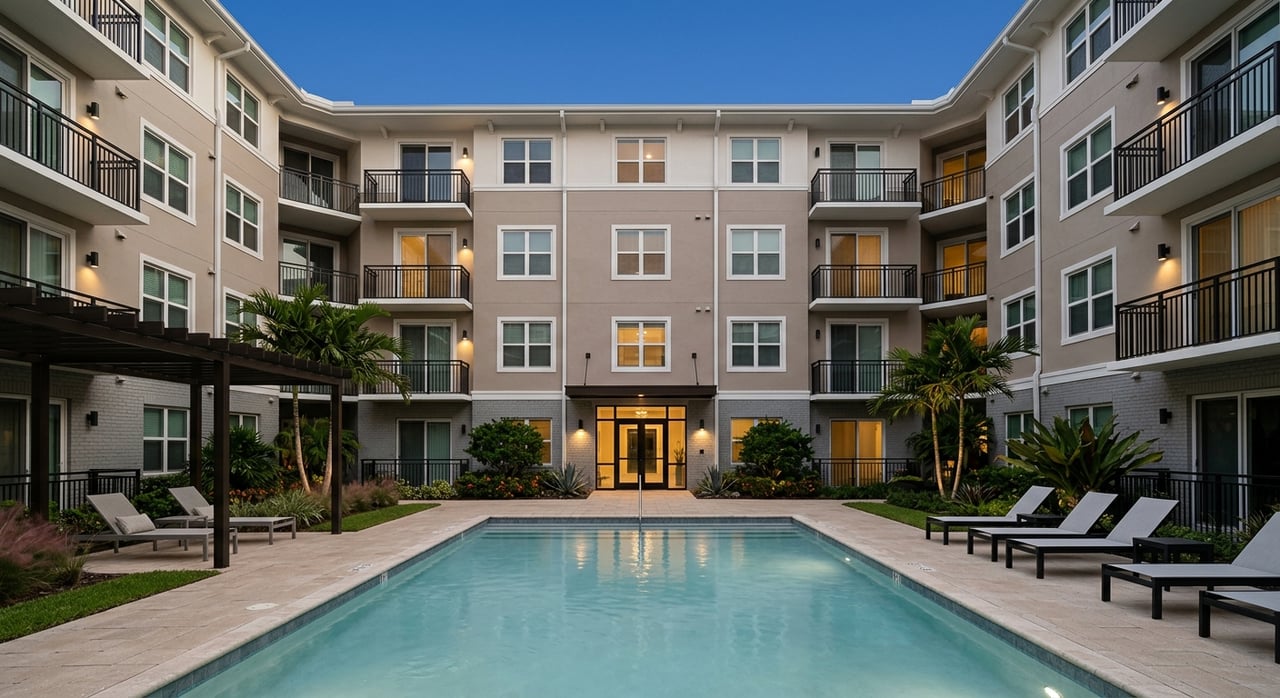
- Urban infill corridors like the Warehouse Arts District and Central Ave include small multifamily and condos. Rentals can perform well, but you must review HOA rules and investor ratios for condos.
- More affordable inland areas, including Tyrone, Lealman, and parts of Pinellas Park, may offer lower entry costs. Underwrite conservatively and plan for stronger initial improvements if needed.
- Beach and resort‑adjacent cities like St. Pete Beach and Treasure Island can see seasonal demand. Separate municipal rules and higher insurance exposure apply in those locations.
Cash flow building blocks
Your net cash flow is rent minus your mortgage, taxes, insurance, reserves for capital expenses, maintenance, and vacancy or management costs. Improvements like updated kitchens, in‑unit laundry, or outdoor spaces can support rent and retention. To keep tabs on rent trends, use Zillow Research and ApartmentList’s reports.
Financing, insurance, and landlord‑tenant law
Most long‑term investors use conventional fixed‑rate loans or portfolio products for small multifamily. Expect higher down payments for investment property compared to primary residences. Insurance is a major line item in coastal Florida, including wind and flood coverage. For basic landlord‑tenant rules, review Florida Statutes Chapter 83 at the state statutes site.
Renovation planning and contractor management
Your renovation plan should match your exit. A flip benefits from high‑impact, market‑ready finishes that photograph well and pass inspection. A rental benefits from durable, low‑maintenance materials that minimize turnover costs. In both cases, build a realistic timeline and lock in reliable contractors.
Best practices include:
- Get multiple bids with itemized scopes.
- Use written contracts with clear milestones and change‑order rules.
- Tie draws to inspections or milestones.
- Hold a contingency budget. Many investors target 10 to 20 percent for flips and 10 to 15 percent for rental rehabs.
- Build timeline buffers for permitting, inspections, and material lead times, especially during hurricane season.
Short‑term rentals and local rules
Short‑term rentals near beaches and downtown can boost revenue where allowed. Rules vary by zoning, building type, and association documents, and they can change over time. Before you underwrite an STR, confirm current requirements with the City of St. Petersburg and any HOA or condo board, and model seasonality with conservative occupancy assumptions.
Exit strategies that work in St. Pete
- Fix and flip exits:
- List on the MLS to reach retail buyers.
- Sell to an investor buyer if timing or repairs require a quicker close.
- Wholesale or assign a contract if a project no longer pencils.
- Keep a backup plan to rent if the resale market softens.
- Buy and hold exits:
- Hold for cash flow and appreciation.
- Refinance to pull equity for your next purchase.
- Consider a tax‑deferred exchange when selling an investment property. Review guidance at the IRS before planning any tax strategy.
Neighborhood quick guide
- Downtown and waterfront districts: Often better suited for buy and hold focused on premium rentals and long‑term appreciation. Flips are possible but require more capital and careful comp analysis.
- Transition areas with older bungalows: Can be strong for both strategies when renovations respect neighborhood character and address older systems.
- Urban infill and condo corridors: Small multifamily is a common buy‑and‑hold target. Condos can flip or rent, subject to HOA rules and fees.
- Inland value neighborhoods: Lower entry prices may help cash flow, though projects can require more initial work. Underwrite conservatively and verify permit histories.
- Beach‑area municipalities: Often best for buy and hold that considers seasonal patterns and insurance. Always check local ordinances and flood requirements.
How to choose your path
Ask yourself these questions:
- What is your timeline? If you need returns within months, consider a flip. If you prefer steady gains over years, look at buy and hold.
- How much risk and project management can you absorb? Flips require intense renovation and market execution. Holds require operational discipline and long‑term planning.
- What capital do you have for down payment, rehab, and reserves? Model both scenarios with realistic costs and contingency.
- Which neighborhoods fit your skills and goals? Choose areas with repeatable comps for flips and stable rent demand for holds.
If both appeal to you, combine them. Some investors buy, renovate to rental standards, lease for a period, then sell when comps peak.
Your next steps in St. Pete
- Pull recent comps and rent data from the Redfin Data Center, Zillow Research, and ApartmentList.
- Verify zoning, permit history, and renovation requirements with the City of St. Petersburg.
- Confirm taxes and assessments with the Pinellas County Property Appraiser.
- Get two to three contractor bids and compare to Cost vs. Value benchmarks.
- Price insurance, including flood where applicable, and set reserves.
- Choose your financing type and build your exit plan before you close.
When you are ready to move from research to action, our team can help you model returns, source properties, and plan renovations with confidence. To talk through your goals and see where your capital works best in St. Pete, connect with Crystal Richardson for a no‑pressure strategy session.
FAQs
What is the typical fix‑and‑flip timeline in St. Petersburg?
- Many projects run 1 to 6 months for light to moderate rehabs plus 1 to 3 months to market and sell, with higher‑scope rehabs extending to 6 to 12 months or more.
How much should I budget for a St. Pete bungalow renovation?
- Directional ranges are about $15 to $40 per square foot for cosmetic updates, $50 to $120 for mid‑range, and $120 to $250+ for major work, plus a 10 to 20 percent contingency.
Where do buy‑and‑hold rentals commonly work in St. Pete?
- Downtown and waterfront areas can support premium rentals, while transitional bungalow districts and inland value neighborhoods may offer better entry prices for long‑term holds.
How do I confirm short‑term rental rules in St. Petersburg?
- Start with the City of St. Petersburg and review zoning, registration, and any condo or HOA restrictions before underwriting an STR.
What are key operating costs for buy‑and‑hold in Pinellas County?
- Budget for property taxes, insurance including wind and flood, maintenance, capital reserves, vacancy, and management, then verify assessments at the Pinellas County Property Appraiser.
Which financing options are common for investors in St. Pete?
- Flips often use hard‑money or rehab loans, while buy‑and‑hold investors tend to use conventional fixed‑rate or portfolio loans and underwrite with conservative reserves.