If you want a downtown lifestyle where you can walk from a museum to the waterfront and then end the night with dinner or live music, Downtown St. Petersburg stands out. It offers a more layered experience than many people expect, with arts, parks, dining, and nightlife all packed into a compact core. If you are thinking about buying or simply trying to picture daily life here, this guide will help you understand what living in downtown St. Pete really feels like. Let’s dive in.
Downtown St. Pete at a Glance
Downtown St. Petersburg is not just one street or one central block. It is a connected group of districts that includes the Waterfront Arts, Central Arts, EDGE, Grand Central, and Warehouse Arts areas. In everyday life, many people experience downtown through Beach Drive, Central Avenue, the waterfront parks, and the Pier.
That setup gives downtown a mixed-use, urban feel. You can move between cultural spaces, outdoor areas, restaurants, and entertainment without leaving the core. For buyers who want activity, convenience, and variety, that is a big part of the appeal.
Arts Shape Daily Life
One of the strongest reasons people choose downtown St. Pete is the steady access to arts and culture. This is not a place where the cultural scene appears only during a few busy weekends each year. Instead, museums, galleries, classes, performances, and public art are part of the regular rhythm of downtown living.
The Waterfront Museum District is the clearest example. This area includes major institutions like The Dalí Museum, the Museum of Fine Arts, the James Museum, the Mahaffey Theater, and the Palladium, along with nearby waterfront parks and year-round events.
Museum access is part of the lifestyle
The Dalí Museum sits on the downtown waterfront and includes a collection of 2,400 Dalí works across paintings, drawings, prints, sculpture, photographs, manuscripts, and archives. For residents, that means a globally recognized museum is part of the neighborhood fabric, not a special day trip.
The Museum of Fine Arts on Beach Drive spans nearly 5,000 years of art and more than 20,000 objects. It also offers select Thursday Art After Dark hours, which adds another option for an evening out close to home.
The James Museum, located at 150 Central Avenue, keeps daily hours and offers Tuesday evening access that can fit into an after-work schedule. That kind of flexibility matters when you want culture to be a realistic part of your week.
Local creative spaces add depth
Downtown’s arts appeal goes beyond the big-name museums. The Morean Arts Center on Central Avenue offers a free contemporary gallery and year-round classes. In the Warehouse Arts District, the Morean Center for Clay is described by the organization as the largest pottery studio in the Southeast.
That mix gives downtown a more active creative feel. You are not just viewing art. You are also close to places where people make it, study it, and experience it in a more hands-on way.
Waterfront Living Feels Central
In Downtown St. Pete, the waterfront is not off to the side. It is one of the main anchors of daily life. That makes a real difference if you want your home base to include open views, walking paths, and easy access to outdoor recreation.
The St. Pete Pier is the best-known waterfront amenity in the area. According to its official site, the Pier spans 26 acres and brings together downtown parks and Tampa Bay with places to stroll, bike, dine, drink, shop, swim, and attend concerts.
The Pier supports everyday use
The Pier opens 30 minutes before sunrise and closes at 11:00 PM. There is no admission fee for the district, and the site includes more than 500 parking spaces, bike parking, and transit access.
That long daily schedule helps make the Pier feel like a real neighborhood asset. You can use it for a morning walk, an afternoon outing, or an evening plan without much effort.
Parks and recreation stay close by
The on-foot waterfront experience is a major part of downtown life. The Pier’s Walking Waterfront path offers a continuous sidewalk with views of the St. Petersburg Municipal Marina. Spa Beach has also been expanded with a naturalized shoreline and access for kayaking and paddleboarding.
The district includes a fishing deck, playground, splash pad, and limited short-term boat tie-up space. Together, those features show that downtown is both a residential center and a recreation destination.
Central Avenue Drives Food and Nightlife
If the waterfront gives downtown its scenic side, Central Avenue gives it energy. This corridor begins at the downtown waterfront and stretches west through boutiques, galleries, restaurants, and bars. It is one of the main reasons downtown appeals to people who want an active social environment.
Visit St. Pete/Clearwater highlights Central Avenue for food, drink, live music, craft beer, and wine spots. In practical terms, that means you have a wide range of casual and evening options concentrated in one main spine.
Nightlife has variety
Downtown nightlife is not limited to one type of venue. You will find a mix of restaurant scenes, bar options, and live entertainment. The Pier adds waterfront social spots like Teak, Pier Teaki, Driftwood Café, Doc Ford’s, and Fresco’s.
Jannus Live is another signature downtown venue. Its official site describes it as an open-air, standing-room-only music venue with walkable hotel and parking options nearby, helping explain why downtown can feel lively on concert nights as well as on ordinary weekends.
Walkability supports the social scene
A big part of downtown’s appeal is how easily these experiences connect. You can plan an evening around dinner, a walk along the waterfront, and a show or live music without needing to travel far between stops. That convenience is a major draw for buyers who want a more urban, low-car lifestyle.
Getting Around Without Overcomplicating It
Downtown St. Pete works well for people who want options beyond driving everywhere. The Pier was designed with car-light access in mind, and that supports the area’s compact layout.
The Downtown Looper is free and stops at the Pier entrance every 15 minutes. The Central Avenue Trolley is also free and runs every 20 minutes between the Pier and Grand Central Station. The SunRunner provides a direct connection between downtown St. Petersburg and St. Pete Beach.
For many residents, that means you can mix walking, biking, trolley service, and occasional driving depending on the day. Even if you still use a car often, having more than one way to move through the area adds convenience.
What Buyers Should Know About Housing
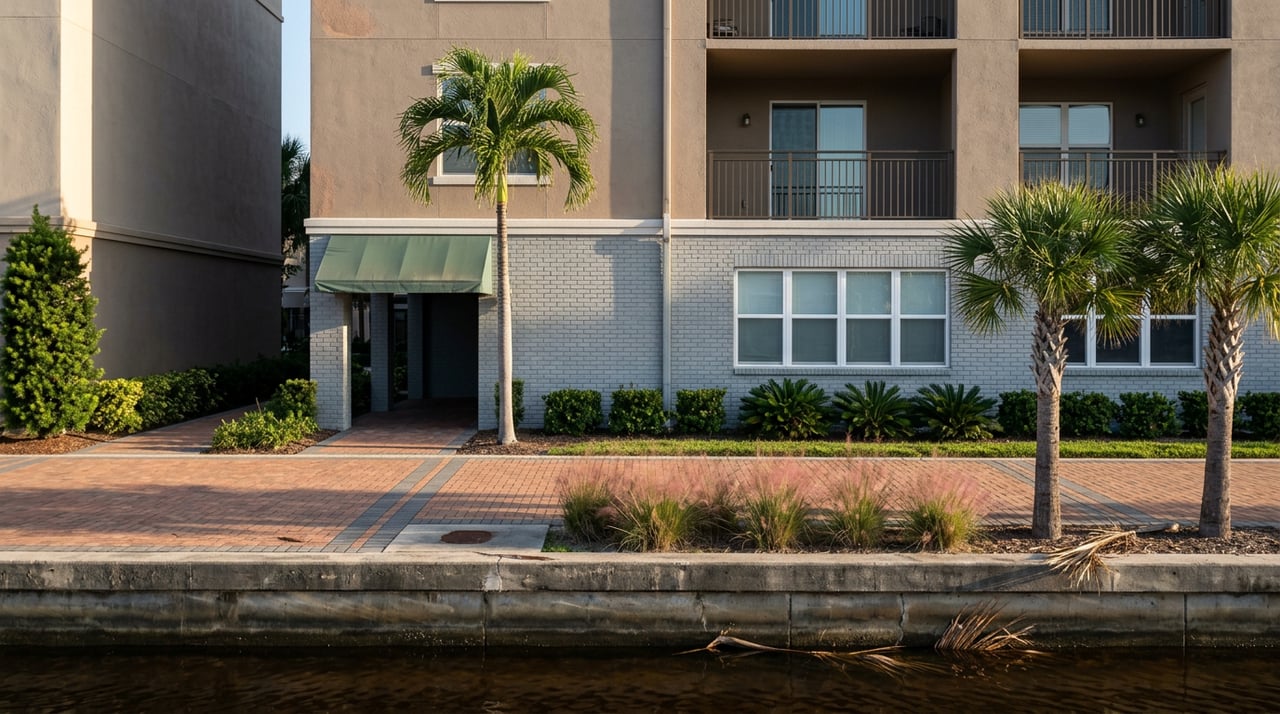
Downtown St. Pete is best understood as a condo-first urban market. Its vertical, mixed-use form and the way the waterfront, parking, and transit are organized all point in that direction. If you are searching in the heart of downtown, condos will usually be the most common housing type.
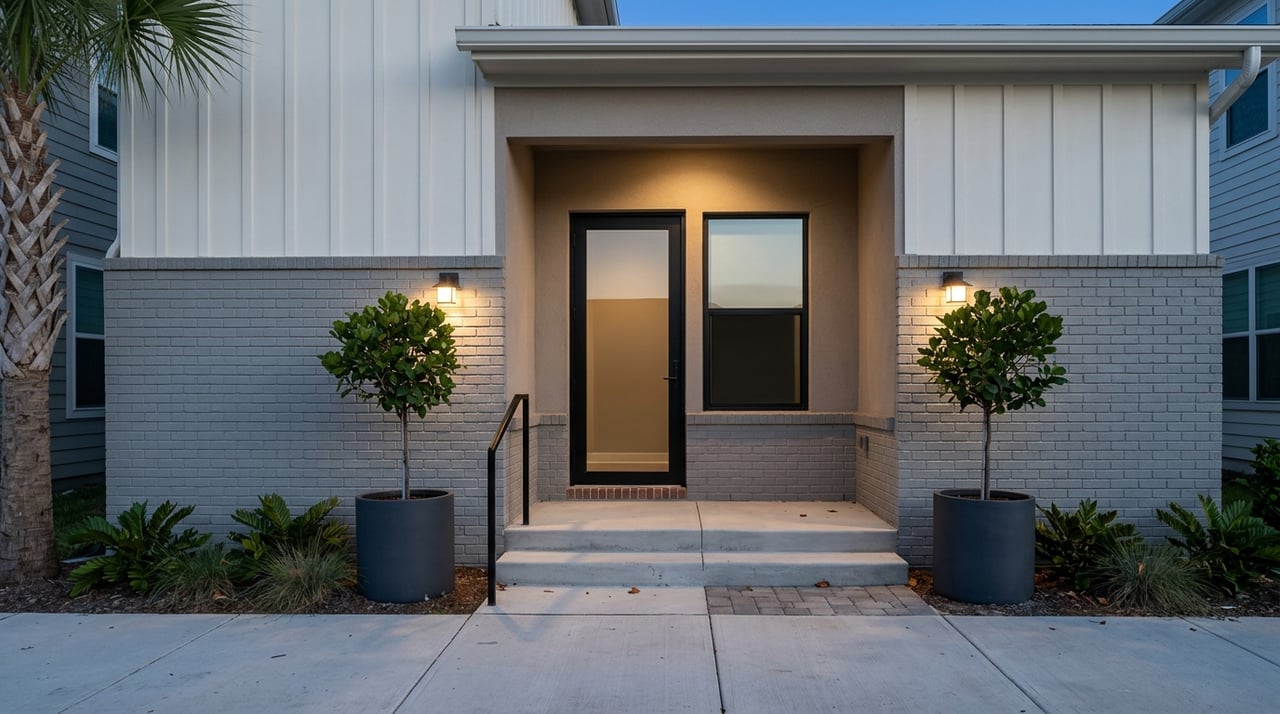
Townhome-style living is more likely to appear at or just beyond the edge of the core than directly on the central waterfront. That matters if you want more private-entry living while still staying close to downtown amenities.
Condo ownership requires more due diligence
In Florida, condo buying involves more than comparing finishes and views. State law requires milestone inspections for condominium and cooperative buildings that are three or more stories tall at 30 years of age and every 10 years afterward. In some local saltwater conditions, the timing can begin earlier at 25 years.
State law also requires structural integrity reserve studies that identify inspected items, estimated remaining useful life, replacement cost, and a reserve funding schedule. The Florida Department of Business and Professional Regulation notes that repairs from a phase 2 milestone inspection must begin within 365 days of the report unless local government requires earlier action.
Property-level questions matter most
When you compare downtown condo options, the most important questions are often building-specific. You will want to review:
- Monthly association fees
- Reserve funding
- Special assessments
- Parking arrangements
- Pet rules
- Rental limits
These details can directly affect your monthly costs, flexibility, and resale confidence. A building with strong documentation and clear financial planning may feel very different from one that looks similar on the surface.
Flood and Insurance Questions Are Address-Specific
Because downtown is near the waterfront, flood exposure should be checked at the property level. Flood risk can vary from one address to another, even within the same downtown district. That is why broad assumptions are not enough when you are evaluating a purchase.
The official public source for flood hazard maps is FEMA’s Flood Map Service Center. For buyers, the practical takeaway is simple: verify the flood zone and insurance picture for the exact property you are considering.
Who Downtown St. Pete Fits Best
Downtown St. Pete can be a strong fit if you want a home base tied to arts, waterfront access, dining, and nightlife. It especially appeals to buyers who value walkability, a compact urban setting, and the ability to build social and recreational plans close to home.
It may also suit buyers who want lower-maintenance living in a condo or those looking just outside the core for townhome-style options near downtown energy. The key is matching the lifestyle to the property type and understanding the building-level details before you commit.
If you are comparing neighborhoods in St. Petersburg, downtown offers something distinct. It is less about quiet separation and more about connection, access, and having multiple ways to spend your day within a small area.
If you want help comparing downtown condos, evaluating townhome options near the core, or understanding how a specific building fits your goals, The Brescia Group can help you move forward with clear, local guidance.
FAQs
What is daily life like in Downtown St. Petersburg?
- Daily life in Downtown St. Petersburg often centers on a mix of arts, waterfront access, dining, and nightlife, with Beach Drive, Central Avenue, the waterfront parks, and the Pier serving as major activity hubs.
What arts and culture options are in Downtown St. Petersburg?
- Downtown St. Petersburg includes major cultural destinations such as The Dalí Museum, the Museum of Fine Arts, the James Museum, the Mahaffey Theater, the Palladium, and creative spaces like the Morean Arts Center.
What outdoor activities are available in Downtown St. Petersburg?
- Downtown St. Petersburg offers walking paths, waterfront parks, biking, kayaking, paddleboarding, fishing areas, a playground, splash pad, and access to the St. Pete Pier district.
What is the nightlife scene like in Downtown St. Petersburg?
- Downtown St. Petersburg has a variety of nightlife options along Central Avenue and the Pier, including restaurants, bars, live music venues, and open-air entertainment spots like Jannus Live.
What type of housing is most common in Downtown St. Petersburg?
- Downtown St. Petersburg is generally a condo-first urban market, while townhome-style homes are more likely to be found at or just beyond the edge of the downtown core.
What should buyers review before purchasing a downtown St. Pete condo?
- Buyers should review building-specific details such as association fees, reserves, special assessments, parking, pet rules, rental limits, milestone inspection status, and reserve study information.
Why does flood risk need to be checked by address in Downtown St. Petersburg?
- Flood exposure can vary significantly from one property to another in Downtown St. Petersburg, so buyers should verify the flood zone and insurance implications for the exact address they are considering.